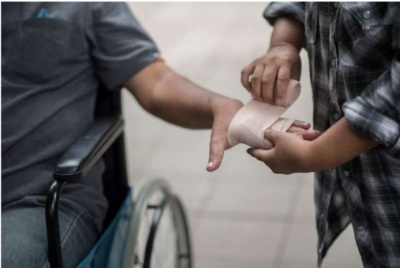








What Are Disfiguring Injuries?
The word disfigurement generally means to impair beauty, symmetry, or appearance, “to mar or spoil the appearance by deep and persistent injury,” as described by Merriam-Webster. In personal injury law, the meaning of disfigurement carries both medical and legal significance. It refers to a permanent, visible change to a person’s physical appearance resulting from an injury caused by another party’s negligence or intentional act.
Disfigurement is often recognized as a basis for compensation in personal injury cases as it can lead to lasting emotional, social, and psychological effects in addition to physical pain due to the injury and healing process. In many cases, disfigurement can significantly increase the total compensation awarded for personal injuries.
Legal Definition of Disfigurement
There are many legal definitions for disfigurement, but they share common elements. In general, injuries must be:
- Permanent, and
- Visibly affect a person’s outward appearance
Most sources do not mention a specific level of severity. For example, a disfigured person could have a potential claim for a small facial scar or a limb amputation. However, the change must be lasting and noticeable. The injury doesn’t have to impair physical function or cause a disability to be legally recognized as disfigurement. Here are several accepted legal definitions:
- A lasting injury or condition that damages a person’s outward appearance, such as a scar, burn, or other visible mark. (Nolo’s Plain-English Law Dictionary)
- The result of an accident or an injury that impairs beauty, symmetry, and appearance. (Black’s Law Dictionary)
- To cause permanent change in a person’s body, particularly by leaving visible scars which affect a person’s appearance. (The People’s Law Dictionary)
- An injury that impairs or harms the appearance of a person or thing; especially one that alters a person’s physical appearance in a lasting or permanent way. (Merriam-Webster’s Dictionary of Law)
- A physical injury that mars and deforms the appearance of the body, rendering it less complete or less perfect in form. (Ballentine’s Law Dictionary)
- An alteration or damage to the external appearance of a person that diminishes physical beauty or uniformity, often considered in the context of personal injury claims. (Oxford Dictionary of Law)
Examples of Disfiguring Injuries
Disfigurement can occur in nearly any serious accident that causes visible, lasting harm to the body. Some of the most common causes include:
- Dog bites and animal attacks often result in deep lacerations, puncture wounds, and scarring, especially on the face, arms, and legs.
- Construction injuries and workplace accidents carry a high risk of disfigurement due to falling/flying objects, heavy machinery, and equipment malfunctions.
- Car, truck, or motorcycle crashes, especially high-speed or head-on collisions, frequently cause facial trauma, scarring, or deformities.
- Thermal, electrical, or chemical burns can leave lasting discoloration, muscle contractures, scarring, and tissue loss even after healing.
- Deep lacerations or pinching/crushing injuries can cause extensive tissue damage and bone injuries that cause visible scars and deformities.
- Amputations and limb loss, whether partial or total, are among the most severe forms of disfigurement.
- In some cases, medical procedures or post-surgery infections can result in significant tissue damage and visible scarring.
- Industrial or agricultural accidents can be deadly or result in disfiguring injuries due to contact with heavy equipment and moving parts.
- Explosions or firearm incidents, including violent crimes, often cause severe, permanent damage to soft tissue and bone.
- Defective consumer products, such as pressure cookers, power tools, and e-cigs/vapes, can lead to deep burns, lacerations, or facial trauma.
Effects of Disfigurement
The consequences of a disfiguring injury are more than superficial. Victims often experience a combination of physical discomfort, emotional distress, and psychological trauma. Feelings of embarrassment, anxiety, depression, or diminished self-confidence are common and may require long-term therapy or support. This is especially true for children who have experienced dog bites and those who have permanent injuries that are readily visible to others, such as a missing eye or limb.
Fortunately, courts recognize these intangible effects when determining compensation. That’s why disfigurement can greatly increase non-economic damages in personal injury cases.
What Compensation Is Available for Disfigurement?
Individuals who have sustained disfiguring injuries due to another party’s negligence or recklessness may be able to recover economic and non-economic damages through a lawsuit or personal injury settlement. It’s important to note that the injury doesn’t have to impair physical function or cause a disability. However, if the injury affects your ability to work (for example, a mechanic who loses a finger), you may be entitled to additional compensation for decreased earning capacity.
Because losses for scarring and disfigurement are subjective, insurance adjusters, judges, and juries rely on contextual factors to determine fair compensation. Here’s how compensation is generally assessed:
Economic Damages
- Medical care, including ER visits and reconstructive surgery
- Future medical care if physical therapy or revision surgeries are needed
- Lost wages for time off work due to the injury and recovery
- Decreased earning capacity if the injury affects your ability to work
Non-Economic Damages
- Pain and suffering due to the injury and recovery
- Emotional distress and mental anguish related to the accident
- Loss of self-confidence or embarrassment
- Loss of enjoyment of life or social relationships
Factors That Influence the Value of Your Claim
Several factors can increase or decrease the value of a scar or disfigurement claim:
| Factor | Impact on Value |
|---|---|
| Location | Injuries to highly visible areas, such as the face, neck, and hands, are generally worth more. |
| Severity and Size | Large or highly noticeable scars typically result in higher compensation. |
| Permanence | Permanent injuries may have a higher value than temporary or treatable scars. |
| Age and Profession | Younger victims or those in appearance-sensitive professions may receive higher awards. |
| Psychological Impact | Evidence of depression, anxiety, or social withdrawal can strengthen your claim. |
| Comparative Negligence | If the victim was partly at fault, compensation may be reduced proportionally. |
The Deadline to File a Claim for Disfigurement in Michigan
In Michigan, the statute of limitations for most personal injury claims, including those involving disfigurement, is 3 years from the date of the accident. However, certain exceptions may apply depending on the circumstances.
Cases involving minors or delayed discovery of harm may have longer deadlines, while claims against the government require advance notice in as little as 120 days. If you were harmed due to another party’s negligence or recklessness, it’s important to speak with an experienced personal injury attorney as soon as possible to protect your rights and preserve evidence.
Contact Barrix Law Firm
Consulting an attorney is generally the best way to value your injuries and determine if you have a case. At Barrix Law Firm, we’ve been helping clients in Grand Rapids and West Michigan pursue justice for over 32 years. We have the skills and experience needed to negotiate with negligent parties and hold them accountable for their actions. Our goal is to work toward a favorable outcome that fairly compensates you for financial expenses, pain and suffering, and emotional losses. To see if you have a disfigurement claim, contact us today or complete our online intake form to schedule a free initial consultation.