






Michigan Premises Liability at a Glance
| Question | Short Answer |
| What is premises liability? | A personal injury claim for injuries caused by unsafe property conditions |
| Who can be responsible? | A property owner, business, landlord, tenant, property manager, or another party with possession or control |
| What types of hazards can lead to a claim? | Wet floors, ice, broken stairs, poor lighting, defective walkways, falling objects, dangerous animals, or negligent security |
| Does visitor status matter? | Yes, Michigan law looks at whether the person was an invitee, licensee, or trespasser |
| What do you need to prove? | A dangerous condition, notice, failure to fix or warn, causation, injury, and damages |
| Is an open and obvious danger still a defense? | Yes, but Michigan law now treats it differently than it did before 2023 |
| Can you still recover if you were partly at fault? | Possibly, but your compensation may be reduced by your percentage of fault |
| Should you talk to a lawyer? | Yes, especially if the injury is serious, evidence is missing, or the insurance company blames you |
What Does Premises Liability Mean?
Premises liability means a property owner or another party in control of property may be responsible when an unsafe condition causes someone to get hurt. In Michigan, premises liability is a type of personal injury claim.
The key issue isn’t just where the injury happened. The key issue is whether a dangerous property condition caused the injury and whether the responsible party failed to use reasonable care.
Premises Liability in Simple Terms
Premises liability is the legal term for an injury claim involving unsafe property. It can apply when someone is hurt at a store, restaurant, apartment complex, parking lot, sidewalk, private home, or another property.
Common examples include slipping on ice, falling on a wet floor, tripping on a broken walkway, being hurt by poor lighting, or being injured because of unsafe stairs or handrails.
The injured person usually must show that the property condition was dangerous and that the property owner, business, landlord, tenant, or another responsible party should be held accountable.
How Premises Liability Is Different From a Regular Accident
Premises liability is different from a regular accident because a property owner isn’t automatically responsible for every injury that happens on their property. The injured person must usually connect the injury to an unsafe property condition.
The claim may depend on why the person was on the property, what caused the injury, who controlled the area, and whether the danger should have been fixed or warned about.
For example, slipping in a store doesn’t always mean the store is liable. The injured person may need to show that a spill, icy entrance, broken floor, poor lighting, or another unsafe condition caused the fall.
Why Michigan Law Focuses on Unsafe Property Conditions
Michigan premises liability law focuses on unsafe property conditions because these claims are tied to land, buildings, businesses, and other premises. The condition of the property is usually the center of the case.
Important issues may include whether the hazard was visible, how long it existed, whether the responsible party knew or should’ve known about it, and whether the injured person could have avoided it.
This is why evidence matters. Photos, videos, incident reports, witness statements, maintenance records, inspection records, and medical records can help show what the property looked like and how the unsafe condition caused the injury.
Who Can Be Responsible in a Michigan Premises Liability Case?
In a Michigan premises liability case, the responsible party is usually the person or business that owned, possessed, managed, occupied, maintained, or controlled the property when the injury happened. More than one party may be responsible.
The key issue is control. A premises liability claim often looks at who had the ability to inspect the property, repair the hazard, warn visitors, or prevent the unsafe condition from causing harm.
| Potential Responsible Party | When They May Be Involved |
| Property owner | The owner controlled the property or failed to address an unsafe condition |
| Business or store operator | A customer or visitor was hurt at a commercial property |
| Landlord or property manager | The injury happened in a common area, rental property, parking lot, stairwell, hallway, or walkway |
| Tenant or occupier | The tenant controlled the area where the injury happened |
| Maintenance company or contractor | The company’s work created or failed to correct the unsafe condition |
| Snow removal company | Poor plowing, salting, or ice management contributed to a fall |
| Security company | Negligent security contributed to an assault or preventable injury |
Property Owners
A property owner may be responsible when an unsafe condition on their property causes someone to get hurt. This can include owners of homes, apartment buildings, stores, restaurants, parking lots, office buildings, sidewalks, or other premises.
The owner’s responsibility may depend on the type of property, why the injured person was there, and whether the owner knew or should’ve known about the dangerous condition.
Businesses and Store Operators
A business or store operator may be responsible when a customer, guest, or visitor is injured because of an unsafe condition at the business. This can include grocery stores, retail stores, restaurants, hotels, gas stations, offices, and other commercial properties.
Businesses may need to inspect the premises, clean up spills, maintain entrances and walkways, repair hazards, or warn customers about dangerous conditions.
Landlords and Property Managers
A landlord or property manager may be responsible when an unsafe condition in an apartment complex, rental property, parking area, stairwell, hallway, or common area causes an injury.
These claims often depend on who controlled the area where the injury happened. A landlord or property manager may be responsible for shared walkways, building entrances, lighting, stairs, handrails, snow removal, or maintenance issues.
Tenants or Occupiers With Control of the Property
A tenant or occupier may be responsible if they controlled the area where the injury happened. Ownership isn’t always required.
For example, a business that leases a storefront may be responsible for unsafe conditions inside the store, even if another party owns the building.
Maintenance Companies, Contractors, or Security Companies
A maintenance company, contractor, snow removal company, cleaning company, or security company may be responsible if its work contributed to the unsafe condition.
These cases may involve contracts, service responsibilities, maintenance records, incident reports, and surveillance footage. A lawyer can review these facts to determine who had control over the hazard.
What Duty Does a Property Owner Owe in Michigan?
A property owner’s duty in a Michigan premises liability case depends partly on why the injured person was on the property. Michigan law generally looks at whether the person was an invitee, licensee, or trespasser.
Visitor status matters because each category can affect what the property owner, business, landlord, tenant, or other possessor of land had to do to keep the person safe.
Michigan Visitor Categories at a Glance
| Visitor Type | Common Example | General Duty Owed |
| Invitee | A customer in a store, restaurant guest, hotel guest, or person visiting for a business purpose | The property owner or possessor generally must use reasonable care to protect the person from dangerous conditions. This may include inspecting the property, fixing hazards, or warning about dangers. |
| Licensee | A social guest at someone’s home | The property owner generally must warn the person about known hidden dangers that the guest is unlikely to discover on their own. |
| Trespasser | Someone on the property without permission | The property owner generally owes a limited duty and must avoid intentionally or recklessly harming the person. |
Invitees
An invitee is usually someone who enters property for a business, commercial, or public purpose. Customers, restaurant guests, hotel guests, and people visiting a business are common examples.
Invitees are generally owed the highest duty of care in a Michigan premises liability case. A property owner or possessor may need to inspect the property, discover dangerous conditions, fix hazards, or warn invitees about dangers.
For example, a grocery store may need to take reasonable steps to inspect aisles, clean spills, maintain entrances, and warn customers about unsafe conditions.
Licensees
A licensee is usually someone who has permission to be on the property for a social or non-business reason. A friend, family member, or social guest visiting someone’s home may be a licensee.
A property owner generally must warn a licensee about known hidden dangers. The duty is more limited than the duty owed to an invitee because the visit is not usually tied to a business or commercial benefit.
For example, if a homeowner knows about a broken step that a guest is unlikely to notice, the homeowner may need to warn the guest about that danger.
Trespassers
A trespasser is someone who enters or remains on property without permission. In Michigan, a property owner generally owes a trespasser a limited duty.
The owner usually must avoid intentionally or recklessly harming the trespasser. A trespasser normally doesn’t receive the same protection as a customer, tenant, guest, or other lawful visitor.
Some cases involving children, artificial conditions, or special facts may require a closer legal review. A lawyer can help determine whether an exception may apply.
Why Visitor Status Matters
Visitor status matters because it helps define the duty owed by the property owner or possessor. The same hazard may be analyzed differently depending on whether the injured person was an invitee, licensee, or trespasser.
Visitor status is only one part of the case. Michigan premises liability claims may also depend on possession and control of the property, notice of the hazard, causation, comparative fault, and the seriousness of the injury.
Common Premises Liability Claims at a Glance
| Type of Case | Common Hazard | Example |
| Wet, slippery, or uneven walking surfaces | Spills, tracked-in water, loose rugs, uneven flooring, or cluttered aisles | These are common causes of slip, trip, and fall claims |
| Snow and ice | Icy sidewalks, parking lots, stairs, or apartment walkways | Michigan snow and ice cases can involve open-and-obvious and comparative fault issues |
| Broken stairs, handrails, or walkways | Loose rails, cracked pavement, potholes, or damaged steps | These cases often depend on maintenance history and prior complaints |
| Poor lighting | Dark stairwells, hallways, entrances, or parking lots | Poor lighting can contribute to falls or security-related injuries |
| Falling objects or unsafe displays | Unsecured merchandise, shelves, signs, or equipment | These cases may involve unsafe storage or employee-created hazards |
| Negligent security | Broken locks, poor lighting, lack of security, or ignored safety risks | These claims often depend on foreseeability and prior incidents |
| Dog bites or animal attacks | A dangerous or uncontrolled animal bites or attacks a visitor | These cases may involve dog bite law and premises liability issues |
Wet, Slippery, or Uneven Walking Surfaces
Wet, slippery, or uneven walking surfaces can become premises liability claims when they cause someone to slip, trip, or fall. Common hazards include spills, tracked-in water, uneven flooring, loose rugs, cluttered aisles, broken pavement, or unsafe stairs.
A fall by itself doesn’t automatically make the property owner liable. The injured person usually needs to show that a dangerous condition caused the fall and that the responsible party failed to take reasonable steps to fix it or warn about it.
Snow and Ice Falls
Snow and ice falls can lead to premises liability claims when icy or untreated surfaces create an unsafe condition. These cases may involve sidewalks, parking lots, driveways, stairs, apartment walkways, store entrances, or business parking areas.
In Michigan, snow and ice cases can involve open-and-obvious arguments and comparative fault. Important evidence may include weather records, photos, maintenance logs, salt records, inspection records, and witness statements.
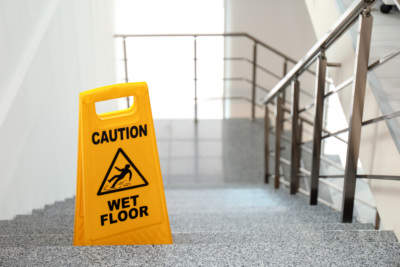
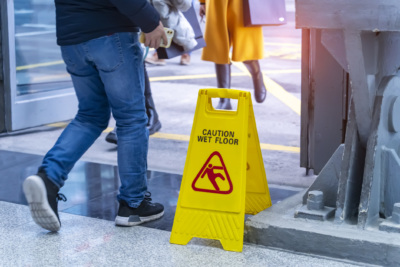
Wet Floors and Spills
Wet floor and spill cases often depend on timing and notice. The key question is usually whether the property owner or business knew about the hazard, should have known about it, or created it.
Common examples include spilled drinks, leaking coolers, tracked-in water, grease, cleaning products, or recently mopped floors. Useful evidence may include surveillance footage, inspection logs, employee reports, warning signs, and witness statements.
Broken Stairs, Handrails, or Walkways
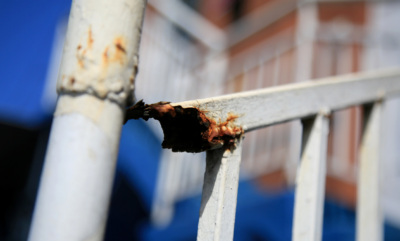
Broken stairs, loose handrails, cracked sidewalks, potholes, and damaged walkways can create premises liability claims when poor maintenance causes an injury. These hazards may lead to falls, fractures, head injuries, back injuries, or other serious harm.
These cases often depend on maintenance history. Prior complaints, repair requests, inspection records, photos, and witness statements can help show whether the responsible party knew or should’ve known about the defect.
Poor Lighting
Poor lighting can make stairs, walkways, parking lots, entrances, and hallways unsafe. A person may trip, fall, miss a step, or fail to see another hazard because the area was too dark.
Lighting can also matter in negligent security claims. Poor lighting may increase the risk of assault or make a dangerous area harder to avoid.
Falling Objects or Unsafe Displays
Falling object claims can happen when merchandise, shelves, signs, equipment, or stored items aren’t safely secured. These claims often involve retail stores, warehouses, construction areas, apartment buildings, or commercial properties.
The key issue is usually control. The case may focus on who placed the item, who maintained the area, whether employees created the hazard, and whether the danger should’ve been corrected before someone was hurt.
Negligent Security
Negligent security claims involve injuries caused by criminal acts that may have been prevented with reasonable safety measures. These cases may involve apartment complexes, hotels, parking lots, bars, stores, schools, or other properties.
The key issue is often foreseeability. Evidence may include prior crimes, broken locks, poor lighting, ignored complaints, unsecured entrances, lack of security patrols, or property management records.
Dog Bites or Animal Attacks
Dog bites and animal attacks can happen on private property, rental property, sidewalks, parks, businesses, or other locations. These claims may involve a dog owner, property owner, landlord, tenant, or another person responsible for controlling the animal.
Animal attack cases may involve different rules than standard premises liability claims. The facts may depend on who owned the animal, who controlled the property, where the attack happened, and whether the injured person was lawfully present.
What Do You Need to Prove in a Premises Liability Claim?
To prove a Michigan premises liability claim, the injured person usually must show that a dangerous property condition caused the injury and that the responsible party failed to use reasonable care. The claim should connect the property hazard, the responsible party’s conduct, the injury, and the damages.
In many cases, the core issues are duty, breach, causation, and harm. The injured person may also need to show that the property owner, business, landlord, tenant, or other possessor knew or should’ve known about the hazard.
A Dangerous Condition Existed
A premises liability claim starts with a dangerous condition on the property. The hazard must be something that created an unreasonable risk of harm to a visitor, tenant, customer, guest, or other person on the premises.
Examples may include ice, wet floors, broken stairs, loose handrails, cracked pavement, poor lighting, falling objects, unsafe displays, or other property defects.
The Responsible Party Knew or Should Have Known About the Hazard
The injured person usually needs to show that the responsible party knew or should’ve known about the dangerous condition. This is often called notice.
Actual notice means the property owner or business knew about the hazard. Constructive notice means the hazard existed long enough, or was obvious enough during reasonable inspections, that the responsible party should’ve discovered it.
The Hazard Was Not Fixed or Properly Warned About
A premises liability claim usually requires proof that the responsible party failed to take reasonable steps after knowing or having reason to know about the hazard. This may mean the hazard wasn’t repaired, cleaned, blocked off, inspected, or marked with a warning.
The question is whether the response was reasonable under the circumstances. The answer may depend on the type of hazard, how long it existed, how serious the risk was, and what the responsible party could have done to prevent harm.
The Hazard Caused Your Injury
The injured person must show that the unsafe property condition caused the injury. It’s not enough to show that a hazard existed somewhere on the property.
The claim should connect the hazard to the fall, accident, assault, or injury. Medical records, photos, witness statements, incident reports, and consistent explanations can help show this connection.
You Suffered Damages
A premises liability claim also requires damages. Damages are the losses caused by the injury.
These may include medical bills, lost wages, pain and suffering, reduced mobility, disability, emotional distress, out-of-pocket costs, or loss of earning capacity. Serious injuries may also involve surgery, physical therapy, long-term care, or permanent limitations.
Signs You May Have a Valid Michigan Premises Liability Case
You may have a valid Michigan premises liability case if the answer to any of the following are true about your case – the more that are true, the more likely it is that you have a valid premises liability case.
The strongest claims usually involve a clear hazard, a responsible party with control over the property, evidence that the hazard existed, and medical records showing that you were injured.
This isn’t a pass-or-fail test. A premises liability claim depends on the facts, the evidence, and Michigan law.
| Sign | Why It Matters for Your Claim |
| A specific unsafe condition caused your injury | A premises liability claim usually needs to be tied to a clear property hazard. If there is no specific identifiable unsafe condition, it’s more difficult to show that the property caused your injury. |
| Someone else controlled the area | The claim usually depends on whether a property owner, business, landlord, tenant, property manager, contractor, or other party had control over the area where you were hurt. If no one else had control over the area, it’s difficult to assign liability. |
| The hazard existed long enough to be discovered | This may help show that the responsible party should have known about the danger and had a reasonable chance to fix it or warn visitors. |
| The responsible party created the hazard | If the owner, employee, contractor, or property manager created the unsafe condition, it may be easier to connect the hazard to the responsible party’s conduct. |
| The hazard was fixed or cleaned up after the injury | A quick repair or cleanup may support the need to preserve evidence. It may also show that the condition was real and that the property changed after the incident. |
| You reported the incident | Reporting the injury helps document when and where it happened. It may also help identify employees, managers, witnesses, incident reports, or surveillance footage. |
| You need medical care | Medical treatment helps connect the injury to the incident and show that the harm was serious enough to support damages. |
| The property owner or insurance company blames you | Blame-shifting may make comparative fault a major issue. This can affect whether compensation is available and how much may be recovered. |
If several of these signs apply, the case may be worth reviewing with a Michigan premises liability lawyer. A lawyer can help determine who controlled the property, whether notice can be proven, what evidence should be preserved, and how the injury affected your damages.
What Is Notice in a Premises Liability Case?
Notice means the responsible party knew or should have known about the dangerous property condition before the injury happened. In many Michigan premises liability cases, notice is one of the most important issues.
The injured person may need to show that the property owner, business, landlord, tenant, manager, or other possessor had enough information and enough time to fix the hazard or warn visitors before someone got hurt.
Actual Notice
Actual notice means the responsible party knew about the dangerous condition. This can happen when an employee sees the hazard, a customer reports it, a tenant submits a complaint, or a manager receives a maintenance request.
For example, a store may have actual notice if an employee is told about a spill before a customer falls. A landlord may have actual notice if a tenant reports a broken stair before someone is injured.
Actual notice can be shown through incident reports, emails, maintenance requests, text messages, employee statements, witness testimony, or prior complaints.
Constructive Notice
Constructive notice means the responsible party should have known about the dangerous condition, even if no one admits they actually knew about it. This often depends on how long the hazard existed and whether reasonable inspections would have discovered it.
For example, a puddle that was on a store floor for a long time may support an argument that the business should have found and cleaned it. A broken walkway that existed for weeks may support an argument that the property owner should have discovered and repaired it.
Constructive notice is often disputed. Photos, surveillance footage, inspection logs, cleaning records, weather records, and witness statements can help show whether the hazard should have been found earlier.
When the Property Owner Created the Hazard
Notice may be easier to prove if the property owner, business, employee, contractor, or maintenance company created the dangerous condition. In that situation, the injured person may argue that the responsible party already knew or should be charged with knowing about the hazard.
For example, a store employee may create a hazard by mopping a floor without putting up warning signs. A contractor may create a tripping hazard by leaving equipment in a walkway. A snow removal company may create or worsen an icy condition through poor plowing or salting.
These cases often focus on who created the hazard, who controlled the area, and whether reasonable steps were taken to protect visitors.
Why Timing, Inspection Records, and Surveillance Footage Matter
Timing matters because a premises liability case often depends on whether the responsible party had a fair chance to discover and fix the hazard. A spill that happened seconds before a fall may be treated differently from a spill that sat for an hour.
Inspection records can show whether a business, landlord, or property manager had a reasonable system for checking the property. Maintenance logs can show when the area was cleaned, repaired, salted, inspected, or reported.
Surveillance footage can be especially important. Video may show when the hazard appeared, who walked by it, whether employees saw it, how the injury happened, and whether the hazard was fixed immediately afterward.
What Is Michigan’s Open and Obvious Rule?
Michigan’s open and obvious rule looks at whether a dangerous property condition was visible or discoverable to a reasonable person. The rule often comes up in slip and fall cases, snow and ice cases, uneven walkway cases, and other premises liability claims.
This rule still matters in Michigan. However, it does not work the same way it did before the Michigan Supreme Court changed the legal framework in 2023.
What Open and Obvious Means
An open and obvious hazard is a danger that an ordinary person could notice after a reasonable look. The question is usually whether the condition was visible, apparent, or discoverable under the circumstances.
Examples may include visible ice, a clearly broken step, a large pothole, an obvious spill, or a clearly marked hazard. The lighting, weather, location, visibility, distractions, and surrounding conditions can all affect whether a reasonable person would have noticed the danger.
Why the Rule Used to End Many Cases Early
For many years, Michigan property owners and insurance companies used the open and obvious rule to argue that they owed no duty to protect visitors from hazards that were easy to see. This often allowed premises liability cases to be dismissed early.
Under that older framework, a person injured by an open and obvious condition had a much harder time moving forward with a claim. The case could fail before a jury considered whether the property owner acted reasonably.
What Changed Under Michigan Law in 2023
In 2023, the Michigan Supreme Court changed how the open and obvious rule works. The Court held that open and obvious hazards should usually be considered when evaluating breach and comparative fault, not whether the property owner owed a duty in the first place.
Important Michigan law update: Open and obvious hazards still matter, but they do not automatically end every premises liability case. They are usually considered as part of breach and comparative fault.
This means a property owner can’t always avoid a premises liability claim simply by saying the danger was open and obvious. The question may instead become whether the property owner acted reasonably and whether the injured person was partly at fault.
How Open and Obvious Hazards Affect Breach and Comparative Fault
An open and obvious hazard can still affect the outcome of a Michigan premises liability case. It may be used to argue that the property owner did not breach their duty or that the injured person shares responsibility for the injury.
Breach focuses on whether the property owner, business, landlord, tenant, or other possessor failed to use reasonable care. Comparative fault focuses on whether the injured person also failed to use reasonable care for their own safety.
Why This Matters for Slip and Fall Claims
The open and obvious rule matters in slip and fall claims because property owners and insurance companies often use it as a defense. They may argue that the injured person should have seen the hazard and avoided it.
After the 2023 change in Michigan law, these cases are more fact-specific. Photos, videos, weather records, lighting conditions, witness statements, inspection records, and maintenance history can all help show whether the property owner acted reasonably and whether the injured person shares any fault.
How Comparative Fault Works in Michigan Premises Liability Cases
Comparative fault means an injured person’s compensation can be reduced if they were partly responsible for their own injury. In a Michigan premises liability case, the property owner may argue that the injured person failed to watch where they were going, ignored a visible hazard, wore unsafe footwear, or didn’t use reasonable care.
Comparative fault doesn’t always prevent a claim. It can affect how much compensation is available and whether certain damages can be recovered.
What Comparative Fault Means
Comparative fault compares the responsibility of each person or party involved in the injury. In a premises liability case, this may include the injured person, the property owner, a business, a landlord, a tenant, a contractor, or another party with control over the property.
The issue is not always one-sided. A jury may decide that the property owner was partly at fault and that the injured person was also partly at fault.
How Your Percentage of Fault Can Reduce Compensation
Your compensation may be reduced by your percentage of fault. If you are found 20% responsible for the injury, your damages may be reduced by 20%.
Michigan law can also limit non-economic damages when the injured person is more at fault than the other responsible parties. Non-economic damages may include pain and suffering, emotional distress, and reduced quality of life.
When Comparative Fault Can Become a Major Issue
Comparative fault can become a major issue when the property owner or insurance company blames the injured person for the accident. This is common in cases involving visible hazards, snow and ice, poor footwear, distractions, warning signs, or areas the person had walked through before.
Evidence matters in these disputes. Photos, videos, witness statements, inspection records, maintenance logs, weather records, and medical records can help show what happened and how fault should be divided.
What Should You Do After Being Injured on Someone Else’s Property?
After being injured on someone else’s property, you should report the incident, document the hazard, get witness information, seek medical care, and avoid giving detailed statements to the insurance company before you understand your rights. These steps can help protect a Michigan premises liability claim.
The condition of the property may change quickly after an injury. A spill may be cleaned. Ice may melt. A broken handrail may be repaired. Surveillance footage may be deleted. Acting early can help preserve evidence.
1. Report the Incident Right Away
Report the injury to the property owner, business, landlord, manager, or person in charge as soon as possible. Ask that the incident be documented in writing.
If you leave without reporting the injury, the property owner or insurance company may later argue that the incident didn’t happen there or that the hazard was never reported.
2. Take Photos and Videos of the Hazard
Take photos and videos of the dangerous condition if you can do so safely. Capture the hazard, the surrounding area, lighting, weather conditions, warning signs, and anything that helps explain how the injury happened.
This evidence matters because the property may look different later. The responsible party may clean the area, repair the defect, move the object, or add warning signs after the injury.
3. Get Witness Names and Contact Information
Get the names and contact information of anyone who saw the injury or noticed the hazard. Witnesses may include customers, employees, tenants, neighbors, friends, or family members.
Don’t rely on the property owner or insurance company to find witnesses for you. If possible, collect this information while people are still at the scene.
4. Ask About Incident Reports and Surveillance Footage
Ask whether an incident report will be created and whether surveillance footage exists. Many stores, apartment complexes, restaurants, parking lots, hotels, and businesses use security cameras.
You may not be given the footage immediately. Still, asking early can help show that the footage should be preserved.
5. Get Medical Care
Get medical care as soon as possible after the injury. Medical records can connect the injury to the incident and show how serious the harm was.
Some injuries aren’t obvious right away. Head injuries, back injuries, soft tissue injuries, fractures, and internal injuries may worsen after the initial fall or accident.
6. Avoid Giving Recorded Statements Too Soon
Avoid giving a recorded statement to an insurance company before you understand how the statement may be used. Insurance adjusters may ask questions about the hazard, your injuries, your footwear, where you were looking, or whether you noticed the danger.
A statement given too early may be incomplete or used to blame you later. If your injuries are serious or the property owner is blaming you, consider speaking with a Michigan premises liability lawyer first.
What Evidence Helps Prove a Premises Liability Claim?
Evidence in a premises liability claim should show what caused the injury, who controlled the property, whether the hazard should have been fixed or warned about, and how the injury affected your life. The strongest evidence is usually gathered soon after the incident.
This matters because property conditions can change quickly. A spill can be cleaned. Ice can melt. A broken step can be repaired. Video footage can be erased. Early documentation can help preserve what the property looked like when you were hurt.
Premises Liability Evidence at a Glance
| Evidence | Why It Helps |
| Photos and videos | Show the hazard before it is cleaned, repaired, or changed |
| Incident reports | Document when, where, and how the injury happened |
| Surveillance footage | May show how long the hazard existed, how the injury happened, and whether employees saw the problem |
| Witness statements | Support what happened and what the property looked like before or after the injury |
| Maintenance and inspection records | Help show notice, control, inspections, repairs, cleaning, salting, or safety practices |
| Medical records | Connects the incident to the injury and shows the extent of the harm |
| Shoes, clothing, or damaged items | May help prove how the fall happened or respond to arguments about footwear and comparative fault |
Photos and Videos of the Hazard
Photos and videos can help show the dangerous condition that caused the injury. Take close-up photos of the hazard and wider photos of the surrounding area.
The wider view can show lighting, warning signs, entrances, walkways, weather conditions, or anything else that helps explain how the injury happened.
Incident Reports
Incident reports and surveillance footage can be important in a premises liability case. A report may document the time, location, employees involved, witnesses, and the basic facts of the injury.
Surveillance footage may show the hazard, how long it existed, who walked past it, whether employees noticed it, and how the injury happened. Video footage is often deleted or overwritten, so it should be requested early.
Witness Statements
Witness statements can support your version of what happened. A witness may know how long the hazard existed, whether anyone complained about it, whether warning signs were missing, or whether similar incidents happened before.
Witnesses can also describe what the property looked like immediately after the injury. This can be helpful if the hazard was cleaned, repaired, or removed later.
Maintenance and Inspection Records
Maintenance and inspection records can help show whether the property was reasonably inspected, cleaned, repaired, salted, secured, or maintained. These records may be important in claims against businesses, landlords, property managers, contractors, or snow removal companies.
These records can help prove notice, control, and whether the responsible party took reasonable steps to keep the property safe.
Medical Records
Medical records help connect the premises liability incident to your injuries. They can show when you sought treatment, what injuries were diagnosed, what treatment you received, and whether you have work restrictions or long-term limitations.
These records are important because the claim must prove damages. They help show how the unsafe property condition affected your health, mobility, work, and daily life.
Shoes, Clothing, or Damaged Personal Items
Shoes, clothing, and damaged personal items may help prove what happened. Shoes can matter in slip and fall cases because insurance companies may question your footwear or argue that you were partly at fault.
Do not throw these items away if they may be relevant. Keep them in the same condition when possible, and take photos of them after the injury.
What Compensation Can You Recover in a Premises Liability Case?
Compensation in a Michigan premises liability case may include the financial, physical, and personal losses caused by the injury. The value of the claim depends on the severity of the injury, the available evidence, the effect on your life, and whether you are found partly at fault.
A premises liability claim may seek damages for medical care, lost income, pain and suffering, disability, reduced quality of life, and out-of-pocket expenses. Learn more about personal injury settlements.
Medical Bills
Medical bills are often a major part of a premises liability claim. These damages may include emergency care, ambulance services, hospital treatment, surgery, doctor visits, physical therapy, medication, imaging, follow-up appointments, and future medical care.
Medical records and bills help show the seriousness of the injury. They also help connect the injury to the unsafe property condition.
Lost Wages and Loss of Earning Capacity
Lost wages may be available if the injury caused you to miss work. This can include missed paychecks, lost hours, used sick time, missed bonuses, or lost employment benefits.
Loss of earning capacity may apply if the injury affects your ability to work in the future. This can matter when a premises liability injury causes permanent restrictions, chronic pain, disability, or reduced physical ability.
Pain and Suffering
Pain and suffering damages are meant to address the physical pain and personal impact of the injury. These damages are separate from medical bills and lost wages.
Pain and suffering may include ongoing pain, discomfort, emotional distress, anxiety, sleep problems, loss of enjoyment, and the disruption caused by the injury.
Disability or Reduced Quality of Life
A serious premises liability injury may cause disability or a reduced quality of life. This can happen after head injuries, back injuries, spinal injuries, fractures, nerve damage, severe sprains, or injuries that require surgery or long-term care.
These damages may involve difficulty walking, lifting, driving, working, caring for children, doing household tasks, or participating in activities you enjoyed before the injury. Learn more about how permanent disabilities affect personal injury claims.
Out-of-Pocket Costs
Out-of-pocket costs are expenses you paid because of the injury. These may include transportation to medical appointments, prescription costs, medical equipment, home modifications, parking fees, childcare, help with household tasks, or replacement of damaged personal items.
Keep receipts, invoices, mileage records, and notes about expenses connected to the injury. Clear documentation can help show the full financial impact of the premises liability accident.
Common Defenses Property Owners and Insurance Companies Use
Property owners and insurance companies often defend premises liability claims by arguing that the hazard was obvious, unknown, unrelated to the injury, or partly the injured person’s fault. These defenses can affect whether compensation is available and how much the claim may be worth.
A strong premises liability claim should be prepared for these arguments. Evidence such as photos, surveillance footage, witness statements, maintenance records, incident reports, and medical records can help answer them.
The Hazard Was Open and Obvious
A property owner may argue that the hazard was open and obvious. This means they may claim a reasonable person would’ve seen the danger and avoided it.
In Michigan, open and obvious hazards don’t automatically answer every issue in the case. The facts still matter. The claim may depend on whether the property owner acted reasonably, whether the injured person shares fault, and whether the hazard should have been fixed or warned about.
The Property Owner Did Not Know About the Hazard
A property owner may argue that they didn’t know about the dangerous condition. They may claim the hazard appeared suddenly and that they did not have enough time to fix it or warn visitors.
This defense is common in cases involving spills, tracked-in water, snow, ice, falling objects, or temporary hazards. Surveillance footage, inspection logs, employee statements, prior complaints, maintenance records, and witness statements may help prove notice.
You Were Not Paying Attention
The insurance company may argue that you weren’t paying attention when the injury happened. They may claim you were looking at your phone, walking too quickly, ignoring warning signs, distracted, or failing to watch where you were going.
This argument is usually about comparative fault. The insurance company may try to reduce the value of your claim by placing part of the blame on you.
You Were Wearing Unsafe Footwear
The insurance company may argue that your shoes contributed to the fall. This defense may come up in slip and fall cases, snow and ice cases, wet floor cases, and uneven walkway cases.
Don’t throw away the shoes you were wearing when you were hurt. Photos of the shoes, the tread, the walking surface, and the weather conditions may help respond to this defense.
The Hazard Did Not Cause Your Injury
A property owner may argue that the hazard did not actually cause your injury. They may claim you fell for another reason, were injured somewhere else, or had a pre-existing condition.
This defense focuses on causation. Medical records, incident reports, photos, witness statements, and consistent explanations can help prove the connection between the hazard and the injury.
Your Injuries Are Not as Serious as Claimed
The insurance company may argue that your injuries are minor, temporary, unrelated, or exaggerated. They may point to gaps in treatment, prior medical history, social media posts, or statements made after the incident.
Medical records are important. Emergency care, follow-up treatment, imaging, physical therapy, work restrictions, pain reports, and long-term limitations can help show the true impact of the injury.
Common Mistakes to Avoid After a Premises Liability Injury
The biggest mistakes after a premises liability injury are failing to report the incident, failing to document the hazard, delaying medical care, losing evidence, assuming the property owner is automatically liable, and speaking to the insurance company too soon. These mistakes can make a Michigan premises liability claim harder to prove.
A strong claim depends on evidence. The injured person should preserve proof of the unsafe property condition, the injury, the responsible party’s control, and the damages caused by the incident.
Leaving Without Reporting the Incident
You should report the injury before leaving the property whenever possible. A report helps document when, where, and how the incident happened.
If you leave without reporting the injury, the property owner or insurance company may later argue that the incident didn’t happen there or that the hazard was never reported.
Failing to Photograph the Hazard
You should take photos and videos of the hazard as soon as possible. Property conditions can change quickly after an injury.
A spill can be cleaned. Ice can melt. A broken stair can be repaired. A warning sign can be added. Photos and videos can help show what caused the injury.
Waiting Too Long to Get Medical Care
You should get medical care soon after a premises liability injury. Medical records help connect the injury to the incident and show how serious the harm was.
Waiting too long can create problems. The insurance company may argue that the injury was not serious, happened somewhere else, or was caused by something unrelated.
Throwing Away Shoes or Clothing
You should keep the shoes and clothing you were wearing when the injury happened. These items may become evidence in a premises liability claim.
Shoes can matter in slip and fall cases because the insurance company may argue that your footwear caused or contributed to the fall. Clothing may show water, dirt, blood, tears, or damage from the incident.
Assuming the Property Owner Is Automatically Liable
A property owner isn’t automatically liable just because someone was injured on their property. A premises liability claim usually requires proof of a dangerous condition, notice, failure to fix or warn, causation, injury, and damages.
The claim must show why the property condition was unsafe and why the property owner, business, landlord, tenant, manager, or other responsible party should be held accountable.
Talking to the Insurance Company Too Soon
You should be careful before giving a recorded statement or detailed explanation to the insurance company. The adjuster may ask questions that are designed to shift blame or weaken the claim.
A statement given too early may be incomplete or used against you later. If your injuries are serious, the hazard is disputed, or the property owner blames you, it may be wise to speak with a Michigan premises liability lawyer before giving a detailed statement.
When Should You Talk to a Michigan Premises Liability Lawyer?
You should talk to a Michigan premises liability lawyer if your injury is serious, the property owner blames you, evidence may disappear, or an insurance company is involved. These cases often depend on facts that can be lost quickly, such as photos, video footage, inspection records, maintenance logs, and witness statements.
Legal help may be especially important when the claim involves a business, landlord, property manager, contractor, or insurance company. These parties may have their own records, lawyers, and insurance adjusters working to limit responsibility.
Your Injury Is Serious or Long-Term
You should talk to a lawyer if your injury is serious, permanent, or expected to affect your life for a long time. Serious injuries may include broken bones, head injuries, back injuries, neck injuries, spinal injuries, torn ligaments, nerve damage, or injuries that require surgery.
A serious injury can affect medical bills, lost wages, pain and suffering, mobility, work, and daily life. A lawyer can help identify the damages that should be included in the claim.
The Property Owner Blames You
You should talk to a lawyer if the property owner, business, landlord, or insurance company says you caused the injury. They may argue that you were not paying attention, ignored a warning sign, wore unsafe shoes, or should have seen the hazard.
This is often a comparative fault issue. If you are found partly responsible, your compensation may be reduced.
The Hazard Was Fixed Immediately After the Incident
You should talk to a lawyer if the hazard was repaired, cleaned, moved, salted, blocked off, or changed immediately after the injury. A quick fix may make it harder to prove what the property looked like when you were hurt.
A lawyer can help preserve evidence before it disappears. This may include requesting surveillance footage, incident reports, maintenance records, inspection logs, and witness information.
Surveillance Footage or Inspection Records May Exist
You should talk to a lawyer if the injury happened at a property that may have cameras or inspection records. These records can be critical in a premises liability case.
Surveillance footage may show when the hazard appeared, how the injury happened, whether employees saw the condition, and whether the area was changed afterward. Inspection records may show whether the property was checked, cleaned, repaired, salted, or maintained.
The Case Involves Disputed Liability Between a Business, Landlord, Property Manager, or Insurance Company
You should talk to a lawyer if the case involves a business, landlord, property manager, contractor, or insurance company. These cases can involve multiple responsible parties and disputed control over the property.
For example, a landlord may blame a tenant. A business may blame a cleaning company. A property manager may blame a snow removal contractor. An insurance company may blame you.
Frequently Asked Questions
What is premises liability in simple terms?
Premises liability means a property owner or another party in control of property may be responsible when an unsafe condition causes someone to get hurt. In Michigan, premises liability is a type of personal injury claim.
Examples may include falls caused by ice, wet floors, broken stairs, poor lighting, unsafe walkways, falling objects, or negligent security.
What are examples of premises liability claims?
Examples of premises liability claims include slip and fall accidents, snow and ice falls, wet floor injuries, broken stair injuries, poor lighting injuries, falling object injuries, negligent security claims, and some dog bite or animal attack cases.
The common issue is unsafe property. The injured person usually must show that a dangerous condition caused the injury and that the responsible party failed to use reasonable care.
Who can be sued in a Michigan premises liability case?
A Michigan premises liability case may involve a property owner, business, landlord, tenant, property manager, maintenance company, snow removal contractor, security company, or another party with control over the property.
The key issue is often possession and control. The responsible party is usually the person or entity that had the ability to inspect, repair, maintain, warn about, or prevent the dangerous condition.
What must I prove in a premises liability claim?
To prove a premises liability claim, you usually need to show that a dangerous condition existed, the responsible party knew or should have known about it, the hazard wasn’t fixed or properly warned about, the hazard caused your injury, and you suffered damages.
Evidence matters. Photos, videos, incident reports, witness statements, inspection records, maintenance records, surveillance footage, and medical records can help support the claim.
What is the open and obvious rule in Michigan?
The open and obvious rule applies when a property owner argues that the dangerous condition was visible or discoverable to a reasonable person. Common examples may include visible ice, broken pavement, a marked hazard, or an obvious defect.
In Michigan, open and obvious hazards still matter, but they don’t always end a case automatically. After a 2023 Michigan Supreme Court decision, the issue is generally considered under breach and comparative fault instead of automatically eliminating the property owner’s duty.
Can I sue if I slipped on ice in Michigan?
You may be able to sue after slipping on ice in Michigan, but the facts matter. Snow and ice cases often depend on where the fall happened, who controlled the property, how long the ice existed, whether it was treated, whether the hazard was visible, and whether the property owner acted reasonably.
These cases may involve open-and-obvious arguments and comparative fault. Helpful evidence may include photos, weather records, maintenance logs, salting records, surveillance footage, and witness statements.
What if I was partly at fault for my injury?
You may still have a claim if you were partly at fault, but your compensation may be reduced by your percentage of fault. This is called comparative fault.
For example, the insurance company may argue that you should have seen the hazard, avoided the area, used more caution, or worn different footwear. Evidence can help show how the injury happened and whether the property owner also failed to use reasonable care.
What evidence do I need after a slip and fall?
After a slip and fall, helpful evidence may include photos or videos of the hazard, an incident report, witness names, surveillance footage, maintenance records, inspection logs, medical records, and the shoes or clothing you were wearing.
The most important evidence often disappears quickly. A spill may be cleaned. Ice may melt. A broken step may be repaired. Video footage may be deleted. Documenting the scene early can help protect your claim.
How long do I have to file a premises liability claim in Michigan?
In many Michigan premises liability cases, the deadline to file a personal injury lawsuit is generally three years from the date of the injury. However, deadlines can depend on the facts of the case.
Some situations may involve shorter notice requirements, different deadlines, government entities, minors, or other special rules. If you were seriously injured on someone else’s property, it is better to ask about the deadline early.
Do I need a lawyer for a premises liability case?
You should consider talking to a lawyer if your injury is serious, the property owner blames you, the hazard was fixed right away, surveillance footage may exist, or an insurance company is involved.
A Michigan premises liability lawyer can help determine who controlled the property, whether the responsible party had notice of the hazard, what evidence should be preserved, and how the injury affected your damages.
Contact Barrix Law Firm About a Michigan Premises Liability Claim
If you were injured because of an unsafe property condition in Michigan, Barrix Law Firm can help you understand whether you may have a premises liability claim. These cases can involve stores, restaurants, apartment complexes, parking lots, sidewalks, private homes, landlords, property managers, contractors, and insurance companies.
Our Michigan personal injury lawyers can review what happened, identify who may be responsible, and help preserve important evidence. This may include photos, incident reports, surveillance footage, maintenance records, inspection logs, witness statements, and medical records.
Premises liability claims are often disputed. The property owner or insurance company may argue that the hazard was open and obvious, that they did not know about the danger, or that you were partly responsible for the injury. Legal guidance can help you respond to these arguments and protect your claim.
Contact Barrix Law Firm today to schedule a free consultation. We can listen to your story, explain your options, and help you take the next step.