






Michigan’s Dram Shop Law Explained
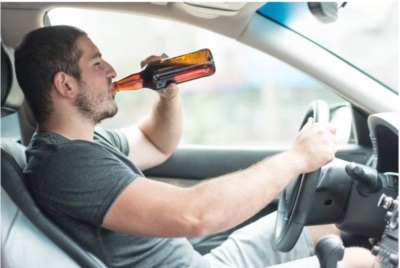
When someone is injured by a drunk driver, the driver usually faces both criminal penalties and civil liability. These cases often make the news, but the establishment that overserved the driver is sometimes overlooked. Unfortunately, in too many cases, staff continue serving alcohol even when the person becomes obviously intoxicated. Michigan law addresses this problem through the Michigan Liquor Control Code of 1998, commonly known as the Dram Shop Act.
Under MCL 436.1801, a licensed business cannot serve alcohol to minors or to individuals who are visibly intoxicated. The law states:
A retail licensee shall not directly or indirectly, individually or by a clerk, agent, or servant sell, furnish or give alcoholic liquor to an individual who is visibly intoxicated.
A retail licensee shall not directly, individually, or by a clerk, agent, or servant sell, furnish, or give alcoholic liquor to a minor except as otherwise provided in this act.
A person who has suffered damage or personal injuries “has a right of action in his or her name against the person who by selling, giving, or furnishing the alcoholic liquor has caused or contributed to the intoxication of the person or who has caused or contributed to the damage, injury, or death.”
A Note From Dram Shop Attorney Jason S. Barrix
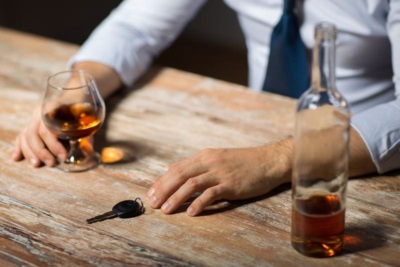
I was driving down US-131 in downtown Grand Rapids and saw a Michigan Department of Transportation road sign that indicated that drunk drivers were responsible for 40.7% of all traffic accident deaths in 2024. Throughout Kent, Muskegon, Ottawa, Allegan counties, and in our local communities of Grand Rapids, Grand Haven, Wyoming, Kentwood, Holland, and Muskegon, there are bars that watch customers come in, set down the car keys, and start drinking.
These same bars watch these people drink to obvious and visible intoxication. They make no effort to intervene until they cause a disturbance or otherwise cause issues with drunken behavior. These bars have all had training on how to spot an intoxicated person or otherwise protect the patron and our community, but they don’t. Often, it’s a regular who tips well, and they don’t want to upset that relationship or take action.
Michigan has enacted dram shop laws that make it illegal for a business to serve alcohol to a minor or visibly intoxicated person. These laws can help individuals and families recover compensation for personal injuries caused by an impaired driver from the business that overserved them.
Who Is Responsible for Overserving?
Michigan’s dram shop liability laws recognize that businesses profiting from alcohol sales must take steps to protect the public from intoxicated drivers. That’s why bartenders and checkout staff are trained to identify signs of intoxication and should stop serving alcohol when someone is clearly impaired. In many drunk driving accident cases, multiple parties may share responsibility. This may include:
- The drunk driver
- The bar or restaurant that overserved the customer
- A liquor store that sold alcohol to a minor or intoxicated customer
- Event venues or other establishments serving alcohol
In Michigan, liability typically falls on the business that is licensed to sell alcohol rather than the individual employee. While all entities that provided alcohol must be notified of a pending lawsuit, the establishment that provided the last drink is typically the one that’s held liable, but other establishments may also be responsible for contributing to the intoxication.
What Businesses Are Covered by Michigan’s Dram Shop Law?
Dram shop liability laws apply to any business that is licensed by the Michigan Liquor Control Commission to provide alcohol for on-premises or off-premises consumption. If the following businesses serve alcohol to someone who is visibly intoxicated and that person later causes an accident, the establishment may face a dram shop claim. This includes:
- Bars and taverns
- Restaurants
- Nightclubs
- Grocery stores
- Convenience stores
- Liquor stores
- Event venues with liquor licenses
What About Dram Shop Liability for Providing Alcohol to Minors?
Michigan’s dram shop law also strictly prohibits alcohol sales to minors under age 21 and holds them liable for any injuries that the person later causes. These claims can arise when:
- A minor uses a fake ID
- Staff fails to check identification
- Alcohol is knowingly provided to someone under 21
Businesses are expected to follow proper procedures to prevent underage drinking. When they fail to meet these standards, they can be held liable under the state’s dram shop laws.
What’s the Deadline for Filing a Dram Shop Claim in Michigan?
For most Michigan auto accident claims, you have 1 year to request PIP benefits and 3 years to file a lawsuit if you meet the injury threshold. However, dram shop claims are subject to different time limits.
- A dram shop lawsuit must usually be filed within 2 years from the date of the injury or death.
- Notice must be provided to all potential defendants within 120 days after hiring an attorney.
- If these requirements are not met, your case may be dismissed and you could lose your right to compensation.
Although there are possible exceptions to the 120-day rule under MCL 436.1801(3), they often face scrutiny by the courts and the insurance companies defending the entity that overserved the drunk driver. Because legal deadlines are so strict, it’s important to speak with a dram shop liability lawyer as soon as possible after the accident.
What to Look for When Choosing a Dram Shop Lawyer
Dram shop cases are complex. They require in-depth knowledge of both Michigan dram shop liability and motor vehicle accident laws. A qualified lawyer should understand:
- Michigan’s no-fault insurance laws
- Traffic violations and rules of the road
- Dram shop liability statutes
- Evidence used to prove intoxication
- DUI investigations and testing methods
- Insurance procedures and negotiating strategies
The Importance of Thorough Investigations
One of the challenges in these cases is determining where a drunk driver was drinking before a crash. An experienced attorney will investigate quickly, gather witness statements, review receipts or surveillance footage, and identify every business that may have served alcohol. This is important because once you enter the attorney-client relationship, notice must be provided to each establishment that served him or her alcohol. This may not be easy. For example, if the defendant is facing criminal DUI charges, he may exercise his right to remain silent.
Since we have sued drunk drivers and the bars that served them, we know how important it is to get an investigator out there as soon as possible to determine who, what, where, and how much drinking occurred. With over 30 years of experience, we know what to look for and where. We have also defended drunk drivers in DUI cases. This gives us a unique ability to understand the strategies used by both sides when pursuing a dram shop liability claim.
Dram Shop Liability Case Example
In one case, we represented an on-duty police officer who was struck by a drunk driver. The crash caused a severe knee injury that ultimately ended his law enforcement career. Other injury attorneys he consulted initially failed to recognize the seriousness of the case and did not attempt to investigate where the driver had been drinking.
When we started working the case, we sent an investigator to multiple bars in Montcalm County until we found the establishment that served him. While the driver was uninsured, the bar had substantial liability insurance. By pursuing a dram shop claim, we helped the officer obtain the compensation he needed to start a new career.
Get Help With Your Dram Shop Claim
If you or a loved one was injured in a DUI accident, the driver may not be the only party responsible. Under Michigan’s dram shop liability laws, bars and other establishments that sell alcohol may also be held accountable.
With more than 30 years of legal experience, Barrix Law Firm thoroughly investigates each case to determine whether a dram shop claim may apply. If you have questions about Michigan’s dram shop law, contact us today for a free case review to discuss your options.