






Who Pays for What After an Uninsured Driver Accident in Michigan?
| Loss | Possible Source of Recovery |
| Medical expenses | Your own PIP/no-fault benefits |
| Lost wages | Your own PIP/no-fault benefits, subject to limits |
| Replacement services | Your own PIP/no-fault benefits, subject to limits |
| Pain and suffering | Uninsured motorist coverage, if available, or a lawsuit against the driver |
| Excess medical bills or wage loss | UM coverage or a claim against the driver, depending on the facts and policy |
| Vehicle damage | Collision coverage, mini-tort claim, or claim against the driver |
| Hit-and-run accident | UM coverage may apply if the policy treats it as an uninsured motorist claim |
What To Do After an Accident With an Uninsured Driver in Michigan
If you are hit by an uninsured driver in Michigan, the steps you take after the crash can affect your health, your insurance claim, and your ability to recover compensation. Even though the other driver does not have insurance, you may still have options through your own coverage or a legal claim.
The most important thing is to document the crash and protect your medical record from the beginning.
1. Call 911 and Report the Crash
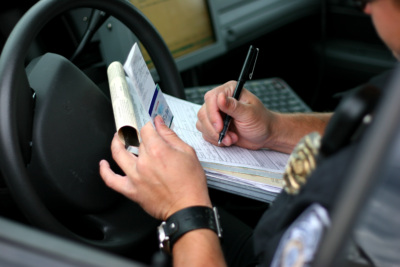
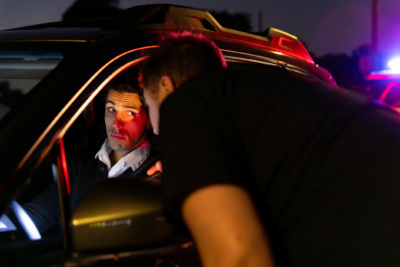
Call 911 after the crash and ask for police and medical responders if anyone may be injured. A police report can be especially important when the other driver is uninsured because it creates an official record of the accident, the drivers involved, the location, vehicle information, and any statements made at the scene.
Do not rely only on the uninsured driver’s promise to “handle it privately” or pay you later. Without a police report, it may be harder to prove what happened, confirm that the driver was uninsured, or support a later no-fault, uninsured motorist, or vehicle damage claim.
2. Get Medical Attention
Seek medical attention as soon as possible after the accident, even if you do not feel seriously hurt right away. Some injuries may become more noticeable hours or days later, especially neck, back, head, soft tissue, or concussion-related symptoms.
Medical records can help connect your injuries to the crash and provide key evidence to support your insurance claim. If you wait too long to get evaluated, an insurance company may argue that your injuries were not caused by the accident or were not as serious as claimed.
After the initial evaluation, follow your treatment plan and keep records of appointments, prescriptions, imaging, referrals, work restrictions, and symptoms that affect your daily life.
3. Exchange Information and Document the Scene
If it is safe to do so, gather as much information as possible at the scene. Get the other driver’s name, contact information, driver’s license number, license plate number, vehicle make and model, and any insurance information they provide, even if they say they do not have coverage.
You should also document the crash scene by taking photos or videos of:
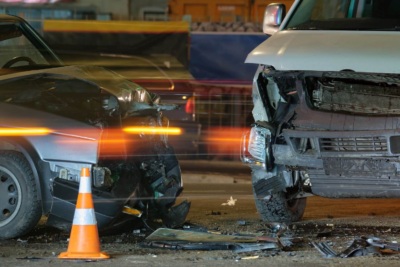
- Vehicle damage
- License plates
- The accident location
- Traffic signals or signs
- Skid marks or debris
- Visible injuries
- Road and weather conditions
- Names and contact information for witnesses
This evidence can help show how the crash happened and may become important if the insurance company disputes fault, coverage, injuries, or damages.
4. Notify Your Insurance Company
Report the accident to your insurance company as soon as possible. In Michigan, your own auto insurance may be the first place to turn for certain benefits after a motor vehicle accident, even when another driver caused the crash.
Your insurer may need to open a no-fault claim for personal injury protection benefits, also known as PIP benefits. If you purchased uninsured motorist coverage, you may also need to notify your insurer that the at-fault driver appears to be uninsured.
When speaking with the insurance company, keep your report factual. Provide basic information about when and where the crash happened, who was involved, and whether you are seeking medical care. Avoid guessing about fault, injury severity, future recovery, or what coverage applies until the facts and policy details are reviewed.
5. Check Whether You Have Uninsured Motorist Coverage
Uninsured motorist coverage, often called UM coverage, may help when the at-fault driver does not have insurance. Unlike Michigan no-fault benefits, UM coverage is typically optional and depends on the terms of your own auto insurance policy.
This step matters because UM coverage may provide a path to compensation for losses that no-fault benefits do not fully cover, including pain and suffering.
How to Check Whether You Have Uninsured Motorist Coverage
Uninsured motorist coverage is not always included automatically in a Michigan auto insurance policy. If you were hit by an uninsured driver, one of the first things to do is check your policy to see whether this coverage is available.
Review Your Auto Insurance Declarations Page
Start with your auto insurance declarations page. This is the summary page that lists your coverages, limits, deductibles, covered vehicles, and policy period.
Look for the section that lists bodily injury, no-fault/PIP, collision, comprehensive, and optional coverages. Uninsured motorist coverage is usually listed separately if you have it.
Look for UM or Uninsured Motorist Bodily Injury Coverage
Search the declarations page for terms such as:
- Uninsured motorist
- UM
- Uninsured motorist bodily injury
- Uninsured motorists coverage
- UM/UIM
Underinsured motorist coverage, or UIM coverage, is related but different. UM coverage may apply when the at-fault driver has no insurance, while UIM coverage may apply when the at-fault driver has insurance but not enough to cover the damages.
If you do not see one of these terms, that may mean you do not have uninsured motorist coverage. However, policy wording can vary, so it may be worth asking your insurer for written confirmation.
Check the Per-Person and Per-Accident Limits
If you have uninsured motorist coverage, check the limits. These are often shown as two numbers, such as one amount per person and one amount per accident.
The per-person limit is the most money one injured person may be able to recover under that coverage. The per-accident limit is the total available for all injured people in the same crash.
These limits matter because they can affect how much compensation may be available through your own policy.
Review Notice Deadlines and Policy Requirements
Uninsured motorist claims are based on your insurance policy, so the policy may include specific deadlines and requirements. You may need to notify your insurer quickly, cooperate with the investigation, provide medical documentation, or follow certain claim procedures.
Missing a policy deadline or failing to follow the required steps can create problems with the claim. If you are unsure what your policy requires, ask your insurance company for the requirements in writing and consider having the policy reviewed.
An experienced injury attorney will be able to help review your policy and provide some direction on what to do.
PIP vs. UM Coverage vs. Collision Coverage vs. Mini-Tort
| Coverage / Claim Type | What It May Cover | Key Limitation |
| PIP/no-fault benefits | Medical expenses, wage loss, replacement services | Does not usually cover pain and suffering |
| Uninsured motorist coverage | Pain and suffering and certain damages caused by an uninsured driver | Optional coverage; depends on policy language |
| Collision coverage | Vehicle damage to your own car | Requires collision coverage and may involve a deductible |
| Mini-tort claim | Certain vehicle damage not covered by insurance | Limited recovery and may be difficult to collect from an uninsured driver |
| Lawsuit against the uninsured driver | Damages caused by the at-fault driver | Collecting money may be difficult if the driver has no assets |
Will Michigan No-Fault Insurance Cover Your Injuries?
Michigan no-fault insurance may cover certain injury-related losses after a crash with an uninsured driver. In many cases, your own auto insurance policy is the first place to look for medical benefits and certain wage-loss benefits, even if the other driver caused the accident and had no insurance.
No-fault benefits can be an important source of help after the crash, but they do not cover every type of loss. That is why it is important to understand what PIP benefits may cover and how they differ from an uninsured motorist claim.
How PIP Benefits Work After an Accident
Personal injury protection (PIP) is part of Michigan’s no-fault insurance system. After a motor vehicle accident, PIP benefits may be available through your own auto insurance policy regardless of who caused the crash.
This means that if an uninsured driver hits you, you may still be able to file a no-fault claim with your own insurer for certain accident-related losses. You do not necessarily have to wait for the uninsured driver to pay you before getting help with covered medical expenses or wage loss.
The exact benefits available can depend on your policy, the coverage selected, and the facts of the accident.
What PIP May Cover
Depending on the policy, coverage limits, and circumstances, PIP benefits may help pay for certain accident-related losses, such as:
- Accident-related medical expenses
- A portion of lost wages
- Replacement services
- Attendant care
- Certain rehabilitation expenses
- Mileage or transportation related to medical care
These benefits are separate from vehicle damage coverage and separate from a claim for pain and suffering. If you are injured, it is important to report the accident promptly, get medical care, and keep records of treatment, missed work, out-of-pocket expenses, and any help you need with daily activities.
Why PIP Is Different From an Uninsured Motorist Claim
PIP benefits and uninsured motorist coverage serve different purposes.
PIP is no-fault coverage that may help pay certain injury-related expenses after a motor vehicle accident, regardless of who caused the crash.
Uninsured motorist coverage, often called UM coverage, is different. UM coverage may apply when the at-fault driver does not have insurance, but it is usually optional and depends on the terms of your policy. UM coverage may help with damages that PIP does not fully cover, such as pain and suffering or certain losses caused by the uninsured driver.
In plain terms, PIP may help with immediate injury-related expenses, while UM coverage may help pursue compensation from your own insurer for damages tied to the uninsured driver’s responsibility. Both coverages should be reviewed after a crash with an uninsured motorist.
How Uninsured Motorist Coverage May Help
Uninsured motorist coverage can be one of the most important sources of compensation after a crash caused by a driver who does not have insurance. If you purchased this coverage, your own insurance company may step in and provide benefits that the uninsured driver’s insurance would have paid if they had been properly insured.
However, uninsured motorist coverage is policy-based. That means the amount available, the deadlines, and the requirements for making a claim depend on the language of your insurance policy.
What Uninsured Motorist Coverage Is
Uninsured motorist coverage is insurance you may purchase through your own auto policy. It is designed to protect you when you are injured by an at-fault driver who does not have insurance.
In Michigan, UM coverage is generally optional, which means not every driver has it. If you do have it, the coverage may allow you to make a claim through your own insurer for damages caused by the uninsured driver, up to the limits of your policy.
What UM Coverage May Pay For
UM coverage may help compensate you for losses caused by the uninsured driver that are not fully covered by no-fault benefits. Depending on your policy and the facts of the crash, UM coverage may apply to damages such as the following, up to the limits of your policy:
- Pain and suffering
- Emotional distress
- Excess medical expenses
- Excess wage loss
- Loss of enjoyment of life
- Long-term injury effects
- Damages related to serious or permanent injuries
UM coverage is especially important because an uninsured driver may not have enough personal assets to pay for the harm they caused. Instead of relying only on the at-fault driver personally, UM coverage may provide a more realistic path to compensation.
Why Your Policy Language Matters
Uninsured motorist coverage is controlled by the insurance policy. This means two people involved in similar crashes may have different rights depending on the coverage they purchased and the wording of their policy.
Your policy may define who qualifies as an uninsured motorist, what losses are covered, what limits apply, how quickly notice must be given, and what steps must be followed before payment is available. Some policies may also include exclusions or special requirements for hit-and-run accidents.
Because of this, it is important to review the declarations page and the full policy language, not just assume UM coverage applies. The deadline to report or pursue a UM claim may be different from other legal deadlines.
What If the Driver Fled the Scene?
A hit-and-run accident may be treated like an uninsured motorist claim in some situations, but this depends on the insurance policy. Some UM policies cover unidentified drivers, while others have specific requirements that must be met before hit-and-run coverage applies.
If the driver fled the scene, it is especially important to call the police, document the crash, identify witnesses, preserve photos or video, and notify your insurance company quickly. Your insurer may require proof that another vehicle was involved and that the crash was reported within the required timeframe.
Do not assume you are out of options just because the driver was never identified. If you have UM coverage, your policy should be reviewed to determine whether a hit-and-run accident may qualify.
Can You Sue an Uninsured Driver in Michigan?
Yes, you may be able to sue an uninsured driver in Michigan if they caused the crash and you suffered damages. However, whether a lawsuit is worthwhile depends on the facts of the accident, the severity of your injuries, the damages involved, and whether there is a realistic way to recover compensation.
In many cases, suing the driver personally is only one possible option. Your own insurance coverage, including no-fault benefits and uninsured motorist coverage, may be more practical sources of recovery.
When a Lawsuit May Be Available
A lawsuit against an uninsured driver may be available when the driver’s negligence caused the crash and your damages are not fully covered by your own insurance. For example, a lawsuit may seek compensation for losses such as pain and suffering, excess medical expenses, excess wage loss, vehicle damage, or other out-of-pocket costs.
In Michigan auto accident cases, certain claims for non-economic damages, such as pain and suffering, may require showing that the crash caused death, permanent serious disfigurement, or serious impairment of body function.
A lawsuit may also be considered when the uninsured driver has assets, income, or another source of recovery that could help satisfy a judgment.
Why Collecting From an Uninsured Driver Can Be Difficult
Even if you have the right to sue, collecting compensation from an uninsured driver can be difficult. A driver who does not carry auto insurance may also have limited income, few assets, or no practical ability to pay a judgment.
This does not mean a lawsuit is never worth pursuing, but it does mean the ability to collect should be evaluated carefully. Winning a case and actually recovering money are not always the same thing.
How UM Coverage May Be More Practical Than Suing the Driver Personally
Uninsured motorist coverage may be more practical than suing the driver personally because it allows you to make a claim through your own insurance policy for damages caused by the uninsured driver. If UM coverage applies, there may be available insurance funds to pay the claim up to your policy limits.
However, UM claims still have requirements. Your insurer may dispute fault, injury severity, damages, policy limits, or whether the crash qualifies under the policy. For that reason, it is important to document the accident, preserve medical records, and understand the policy terms before assuming the claim will be straightforward.
Who Pays for Vehicle Damage After an Uninsured Driver Hits You?
Vehicle damage is handled differently from injury-related benefits. Michigan no-fault benefits may help with certain medical expenses and wage loss after a crash, but they generally do not pay to repair or replace your vehicle.
If an uninsured driver damages your car, the available options may depend on your own insurance coverage, the amount of damage, and whether the uninsured driver has the ability to pay.
Collision Coverage
Collision coverage may help pay for damage to your own vehicle after a crash, regardless of whether the other driver had insurance. If you have collision coverage, you may be able to file a claim with your own insurer to repair or replace your vehicle, subject to your deductible and policy terms.
This can be one of the most practical options after being hit by an uninsured driver because you are not relying on the uninsured driver to pay out of pocket. However, you should review your policy to understand your deductible, coverage limits, and whether the insurer may seek reimbursement from the at-fault driver.
Michigan Mini-Tort Claims
Michigan’s mini-tort law may allow you to seek limited compensation from the at-fault driver for certain vehicle damage that is not covered by insurance, including a deductible or other out-of-pocket vehicle damage costs. In Michigan, mini-tort recovery is generally limited to up to $3,000.
A mini-tort claim can be useful when you have collision coverage but still had to pay a deductible, or when there are uncovered vehicle damage costs. However, mini-tort recovery may be harder when the at-fault driver is uninsured and does not have the money to pay.
In plain terms, mini-tort may give you a legal path to seek vehicle damage reimbursement, but it does not guarantee recovery.
What If You Do Not Have Collision Coverage?
If you do not have collision coverage, recovering vehicle damage after a crash with an uninsured driver may be harder. You may need to pursue the at-fault driver directly through a mini-tort claim or another legal claim, depending on the amount of damage and the facts of the accident.
This is why it is important to review your own policy and understand whether any other source of payment may apply. A lawyer can help evaluate which options may be realistic in your situation.
What Compensation May Be Available After an Uninsured Motorist Accident?
The compensation available after an uninsured motorist accident in Michigan depends on the type of loss, the insurance coverage involved, the severity of the injuries, and the facts of the crash. Even if the at-fault driver does not have insurance, you may still have options through your own no-fault benefits, uninsured motorist coverage, collision coverage, or a claim against the driver personally.
The key is understanding which type of coverage may apply to each loss.
Medical Expenses and No-Fault Benefits
If you were injured in a motor vehicle accident, Michigan no-fault benefits may help pay for accident-related medical expenses. These benefits are typically pursued through your own auto insurance policy, even when the crash was caused by an uninsured driver.
Medical-related compensation may include emergency care, hospital bills, doctor visits, diagnostic testing, surgery, physical therapy, rehabilitation, medication, and other reasonably necessary treatment related to the accident.
The amount available may depend on your no-fault policy, the level of PIP medical coverage selected, and whether the treatment is properly documented as accident-related.
Lost Wages and Replacement Services
No-fault benefits may also help cover a portion of lost wages if your injuries prevent you from working after the crash. These benefits are subject to limits, but they can provide important support while you recover.
Replacement services may also be available in some cases. These benefits may help cover certain household tasks or daily services you cannot perform because of your injuries, such as cleaning, cooking, laundry, or other necessary activities.
To support these claims, keep records of missed work, wage loss, medical restrictions, and any help you need with daily tasks.
Pain and Suffering
Pain and suffering is different from medical bills or wage loss. It refers to the personal impact of the injury, including physical pain, emotional distress, loss of enjoyment of life, scarring, disfigurement, and the way the injury affects your normal activities.
In Michigan auto accident cases, recovering pain and suffering from the at-fault driver generally requires death, permanent serious disfigurement, or serious impairment of body function.
Michigan no-fault benefits generally do not pay for pain and suffering. If you have uninsured motorist coverage, that coverage may provide a path to seek pain and suffering compensation from your own insurer, depending on your policy and the facts of the crash.
If you do not have uninsured motorist coverage, you may need to consider whether a claim against the uninsured driver personally is available and practical.
Excess Economic Losses
Some losses may go beyond what no-fault benefits cover. These may include medical expenses, wage loss, or other financial damages that exceed the available no-fault benefits or fall outside the coverage limits.
In some cases, uninsured motorist coverage may help with excess economic losses caused by the uninsured driver. Whether those damages are covered depends on the terms of your policy.
This is one reason it is important to understand the difference between no-fault benefits and UM coverage after the crash. The available compensation may depend on how the losses are categorized and which coverage applies.
Vehicle Damage and Out-of-Pocket Costs
Vehicle damage is usually handled separately from injury-related benefits. Depending on your policy, collision coverage may help pay to repair or replace your vehicle, subject to your deductible and coverage terms.
Other out-of-pocket costs may include towing, rental car expenses, transportation costs, medical mileage, deductibles, or uncovered property damage. Some of these costs may be covered by your own insurance, while others may require a mini-tort claim or a claim against the at-fault driver.
What If the Uninsured Driver Cannot Pay?
One of the biggest challenges after being hit by an uninsured driver is that the at-fault driver may not have the money or assets to pay for the damage they caused. Even if the driver is legally responsible, that does not always mean they can realistically pay a settlement or judgment.
That is why it is important to look beyond the uninsured driver and identify every possible source of compensation.
Why Suing the Driver Personally May Not Be Enough
You may have the right to sue an uninsured driver personally if they caused the crash. However, a lawsuit only helps if there is a realistic way to collect money from the driver.
Many uninsured drivers have limited income, few assets, or no insurance coverage available to satisfy a claim. In that situation, obtaining a judgment may not lead to meaningful compensation, especially if the damages are substantial.
This does not mean a lawsuit is never an option. It means the practical value of suing the uninsured driver should be evaluated alongside other possible sources of recovery.
Other Possible Sources of Compensation
Depending on the facts of the crash and the insurance policies involved, other sources of compensation may be available. These may include:
- Your own no-fault/PIP benefits
- Uninsured motorist coverage
- Collision coverage
- Mini-tort recovery for certain vehicle damage
- Umbrella coverage
- Business or commercial vehicle coverage
- Employer-related coverage if the driver was working
- Another liable party, such as a vehicle owner or company
The available options will depend on how the crash happened, who owned the vehicle, whether the driver was working, what insurance coverage exists, and what damages were caused.
Why Insurance Coverage Review Matters
A detailed insurance coverage review can make a major difference after an uninsured motorist accident. The other driver may not have insurance, but your own policy or another policy may still provide a path to compensation.
This review should look at no-fault benefits, uninsured motorist coverage, collision coverage, policy limits, exclusions, deadlines, and any other insurance that may apply. It may also involve determining whether another person or company shares responsibility for the crash.
Before assuming the uninsured driver is the only source of recovery, it is important to review all available coverage. In many cases, the best path forward depends on identifying which insurance policies apply and what each one may cover.
Common Mistakes to Avoid After Being Hit by an Uninsured Driver
After an accident with an uninsured driver, small mistakes can create bigger problems for your insurance claim. Because there may be multiple possible sources of recovery, including no-fault benefits, uninsured motorist coverage, collision coverage, or a claim against the driver, it is important to protect your rights from the beginning.
Waiting Too Long to Report the Accident
Do not wait too long to report the crash to the police or your insurance company. A police report can help document what happened, who was involved, and whether the other driver had insurance.
Your insurance policy may also require prompt notice of the accident. Waiting too long can make it harder to prove the crash, confirm coverage, document injuries, or meet policy requirements for no-fault or uninsured motorist benefits.
Assuming the Other Driver Cannot Be Held Responsible
It is easy to assume that if the other driver has no insurance, there is nothing you can do. That is not always true. The uninsured driver may still be legally responsible for the crash, and other sources of compensation may be available.
Depending on the situation, you may have options through your own PIP benefits, uninsured motorist coverage, collision coverage, a mini-tort claim, or another applicable insurance policy. Before assuming there is no recovery, review all possible coverage and claim options.
Accepting Cash at the Scene
An uninsured driver may offer cash at the scene to avoid a police report or insurance claim. This can be risky. The damage may be more expensive than it appears, injuries may develop later, and accepting money informally may create disputes about what was agreed to.
It is usually safer to report the crash, document the scene, exchange information, and let the proper insurance and legal process determine what compensation may be available.
Giving a Recorded Statement Without Understanding Your Rights
Insurance companies may ask for a recorded statement after the accident. Before giving one, be careful about guessing, minimizing injuries, accepting blame, or making statements about your recovery before you know the full extent of your condition.
Statements made early in the process may later be used to dispute fault, injury severity, coverage, or damages. Keep communications factual, and make sure you understand what claim is being discussed, whether it is a no-fault claim, a UM claim, or another type of coverage issue. For more general steps after a crash, see our guide on what to do after a car accident in Michigan.
Missing Policy Deadlines for UM Coverage
Uninsured motorist claims are based on your insurance policy, so the policy may have specific deadlines and requirements. These deadlines may be different from the general deadline for filing a lawsuit.
If you miss a notice requirement, fail to provide required documentation, or do not follow the policy’s claim procedures, your insurer may argue that coverage is unavailable. After a crash with an uninsured driver, review your policy carefully and notify your insurer as soon as possible.
How a Michigan Car Accident Lawyer Can Help
A crash with an uninsured driver can create more insurance questions than a standard accident claim. You may need to understand no-fault benefits, uninsured motorist coverage, collision coverage, policy deadlines, vehicle damage options, and whether any other source of compensation may apply.
A Michigan car accident lawyer can help review the facts of the crash, identify the coverages available, and protect your claim from mistakes that could limit your recovery.
Reviewing Your Insurance Coverage
A lawyer can review your auto insurance policy to determine what coverage may apply after the crash. This may include no-fault/PIP benefits, uninsured motorist coverage, underinsured motorist coverage, collision coverage, medical coverage limits, deductibles, exclusions, and notice requirements.
This review is important because the at-fault driver’s lack of insurance does not always mean there is no compensation available. Your own policy or another applicable policy may provide coverage for medical bills, wage loss, pain and suffering, vehicle damage, or other losses.
Handling PIP and UM Claims
PIP claims and uninsured motorist claims are different, and they may involve different rules, deadlines, evidence, and insurance adjusters. A lawyer can help make sure the correct claims are opened and that required documentation is submitted.
For a PIP claim, this may include medical records, wage loss information, replacement services documentation, and proof that treatment is related to the crash. For a UM claim, this may involve evidence that the other driver was uninsured, proof of fault, injury documentation, and evidence supporting damages beyond basic no-fault benefits.
Identifying All Possible Sources of Compensation
A lawyer can also look for additional sources of compensation beyond the uninsured driver personally. Depending on the situation, there may be coverage through your own policy, a household policy, an employer or commercial vehicle policy, umbrella coverage, collision coverage, or another responsible party.
This can be especially important when the uninsured driver has limited income or assets. Instead of assuming the driver is the only source of recovery, a lawyer can evaluate whether other coverage or legal claims may be available.
Protecting Your Claim From Insurance Company Disputes
Even when you are dealing with your own insurance company, disputes can still happen. The insurer may question whether the crash caused your injuries, whether treatment is necessary, whether UM coverage applies, whether you met policy deadlines, or whether the damages fall within the policy.
A lawyer can help respond to these disputes by gathering evidence, communicating with insurers, documenting damages, and protecting your rights if the insurance company delays, denies, or undervalues the claim.
Frequently Asked Questions
What should I do first if I am hit by an uninsured driver in Michigan?
The first thing you should do is call 911, report the crash, and seek medical attention if you may be injured. A police report can help document the accident, confirm the other driver’s information, and support any later no-fault, uninsured motorist, or vehicle damage claim.
You should also exchange information, take photos of the scene and vehicle damage, identify witnesses, and notify your insurance company as soon as possible.
Does Michigan no-fault insurance cover accidents with uninsured drivers?
Yes, Michigan no-fault insurance may cover certain injury-related losses after an accident with an uninsured driver. In many cases, your own PIP benefits may help pay for accident-related medical expenses, a portion of lost wages, replacement services, and certain other covered losses.
No-fault benefits are separate from a claim against the uninsured driver. They also generally do not pay for pain and suffering.
What does uninsured motorist coverage pay for?
Uninsured motorist coverage may help pay for damages caused by an at-fault driver who does not have insurance. Depending on your policy, UM coverage may apply to losses such as pain and suffering, emotional distress, excess wage loss, excess medical expenses, and other damages caused by the uninsured driver.
The exact coverage depends on your policy language, limits, exclusions, and claim requirements.
Is uninsured motorist coverage required in Michigan?
Uninsured motorist coverage is generally optional in Michigan. This means it is not automatically included in every auto insurance policy.
To find out whether you have UM coverage, review your declarations page and look for terms such as “uninsured motorist,” “UM,” or “uninsured motorist bodily injury.” You should also check the coverage limits and any notice requirements listed in the policy.
Can I sue an uninsured driver after a crash?
Yes, you may be able to sue an uninsured driver if they caused the crash and you suffered damages. However, suing the driver personally may not always be the most practical option if the driver has limited income, few assets, or no realistic ability to pay a judgment.
Before relying on a lawsuit against the driver, it is important to review other possible sources of compensation, including PIP benefits, UM coverage, collision coverage, mini-tort recovery, or any other applicable insurance.
What if the uninsured driver fled the scene?
If the driver fled the scene, call the police right away and report the hit-and-run accident. Try to document as much information as possible, including the vehicle description, license plate number if available, direction of travel, witness information, photos, and any nearby cameras that may have captured the crash.
A hit-and-run accident may qualify for uninsured motorist coverage in some cases, but it depends on your policy. Many policies have specific reporting and documentation requirements, so you should notify your insurance company quickly.
Who pays for my vehicle damage if the other driver has no insurance?
Vehicle damage may be covered by your own collision coverage if you have it. If you do not have collision coverage, you may need to pursue the uninsured driver directly through a mini-tort claim or another legal claim.
Michigan no-fault benefits generally cover certain injury-related losses, not vehicle repairs. Because collecting money from an uninsured driver can be difficult, it is important to review your own policy first.
Should I accept cash from an uninsured driver?
You should be cautious about accepting cash from an uninsured driver at the scene. The damage may be more expensive than it first appears, injuries may develop later, and there may be disputes about what the payment was meant to cover.
It is usually safer to report the crash, document the scene, exchange information, and allow the insurance and legal process to determine what compensation may be available.
How long do I have to file an uninsured motorist claim?
The deadline for an uninsured motorist claim depends on your insurance policy. UM claims are contract-based, so your policy may include specific notice deadlines, reporting requirements, or other claim procedures that must be followed.
These policy deadlines may be different from the general deadline for filing a lawsuit. After a crash with an uninsured driver, review your policy and notify your insurer as soon as possible so you do not risk missing an important requirement.
Contact Barrix Law Firm for a Free Consultation
Being hit by an uninsured driver can leave you with medical bills, vehicle damage, missed work, and uncertainty about which insurance coverage applies. Even if the other driver does not have insurance, you may still have options through your own no-fault benefits, uninsured motorist coverage, collision coverage, or another available source of compensation.
At Barrix Law Firm, we help injured people throughout Michigan understand their rights after car accidents involving uninsured drivers. If you were injured in a crash and are unsure what to do next, contact us today for a free consultation to discuss your case and learn what compensation may be available.