






What Does Car Accident Liability Mean in Michigan?
Car accident liability in Michigan refers to legal responsibility for losses caused by a collision. Determining liability involves identifying who caused or contributed to the accident and who may be required to pay for the resulting injuries, property damage, or other losses.
Although the terms are related, fault, liability, and insurance coverage don’t mean the same thing:
| Term | What It Means |
| Fault | Who caused or contributed to the car accident. |
| Liability | Who is legally responsible for paying particular losses resulting from the accident. |
| Insurance coverage | Which insurance policy may provide payment for those losses. |
Michigan’s no-fault system allows an injured person to seek certain benefits through the applicable auto insurer without first proving that another driver caused the accident. However, fault may still determine whether the injured person can pursue additional compensation from another driver, a vehicle owner, an employer, or another responsible party.
Is Michigan a No-Fault State or an At-Fault State?
Michigan is a no-fault auto insurance state, but fault still matters after a car accident. An injured person may receive certain insurance benefits without proving another driver caused the crash. Determining fault remains important when someone seeks compensation from an at-fault driver or another responsible party.
What Michigan’s No-Fault System Covers
A no-fault auto claim may provide certain accident-related benefits through the applicable insurer regardless of who caused the collision. Depending on the person’s coverage and circumstances, these benefits may address medical expenses, lost income, replacement services, and other eligible losses.
Because eligibility depends on the policy and facts of the accident, receiving no-fault benefits doesn’t necessarily establish who was legally responsible for the crash.
When Fault Still Matters
Fault may affect:
- Whether an injured person can pursue noneconomic damages, such as pain and suffering, from another party
- Whether someone may recover qualifying economic losses not covered by no-fault benefits
- How Michigan’s comparative negligence rules affect compensation
- Whether a Michigan mini-tort claim may be available for vehicle damage
- Which drivers, vehicle owners, employers, or other parties may be held liable
MCL – Section 500.3135 generally permits an injured person to pursue noneconomic damages from an at-fault party when the accident causes death, permanent serious disfigurement, or serious impairment of a body function. Meeting one of these thresholds doesn’t automatically establish liability. The injured person must still show that the other party was at fault and that the accident caused the claimant injuries and losses.
How Is Fault Determined After a Michigan Car Accident?
Fault is determined by examining what each person did before and during the collision. The investigation considers whether someone failed to use reasonable care, violated a traffic law, or otherwise caused or contributed to the crash. Statements from the drivers are only part of this analysis. Physical evidence, witness accounts, video, vehicle damage, police findings, and other records may provide a clearer picture of what happened.
The Elements Used to Establish Negligence
Most Michigan car accident liability claims are based on negligence. Establishing negligence generally requires evidence of 4 elements:
- Duty: The other party had a legal duty to act with reasonable care. Drivers, for example, must follow traffic laws and operate their vehicles in a reasonably safe manner.
- Breach: The party failed to meet that duty through an action or failure to act.
- Causation: The breach of duty caused or contributed to the collision and the resulting harm.
- Damages: The injured person experienced a legally recognized loss, such as an injury, lost income, or property damage.
For example, suppose a driver follows another vehicle too closely and cannot stop when traffic slows. If that conduct causes a rear-end collision that injures the driver ahead, the failure to maintain a safe following distance may support a negligence claim. Evidence must connect the unsafe conduct to both the accident and the losses for which compensation is sought.
Traffic Laws and Unsafe Driving Conduct
A traffic-law violation or other unsafe behavior may help establish how a driver breached the duty to use reasonable care. Common causes of Michigan car accidents include:
- Speeding or driving too fast for road conditions
- Failing to yield the right of way
- Following another vehicle too closely
- Making an unsafe lane change
- Disregarding a traffic light or stop sign
- Driving while distracted
- Operating a vehicle while impaired
- Failing to maintain control in rain, snow, or ice
A police officer may issue a citation after investigating a crash, but a ticket doesn’t automatically determine civil liability. The cited driver may dispute the alleged violation, and evidence may show that another person also contributed to the collision. Conversely, a driver may still be found negligent even if the police didn’t issue a citation.
The complete circumstances matter. For example, one driver may have had the right of way, but evidence that the driver was speeding or distracted could affect how fault is divided.
Does the Type of Collision Automatically Determine Fault?
The type of collision can provide clues about how an accident occurred, but it doesn’t always establish fault by itself. The location of the damage, vehicle movements, traffic controls, road conditions, and conduct of everyone involved must also be considered.
Michigan’s rear-end collision law generally treats a qualifying rear-end crash as initial evidence of negligence by the rear driver. However, that driver may present evidence challenging the presumption. For example, an abrupt vehicle malfunction, the actions of another motorist, or other unusual circumstances could affect the liability determination.
A left-turn collision may suggest that the turning driver failed to yield to approaching traffic. Evidence that the approaching driver was speeding, ran a traffic signal, or engaged in other unsafe conduct may also affect fault.
Liability can become more complicated in a multi-vehicle crash. One driver may begin a chain of events, while another person’s conduct increases the severity of the collision. In these cases, fault may be divided among multiple drivers rather than assigned entirely to one person. Reviewing the common types of car accidents can help explain how different vehicle movements lead to different liability questions, but every determination depends on the specific evidence.
What Evidence Can Help Prove Car Accident Liability?
Car accident liability should be based on evidence rather than assumptions or one driver’s version of events. Because drivers may disagree about what happened, investigators look for independent evidence that shows how the vehicles moved, what each person did, and whether that conduct caused the collision.
Evidence commonly used to establish liability includes:
- Police crash reports: A report may document the drivers’ statements, witness information, road conditions, vehicle positions, apparent violations, and citations. Although the report can be useful, it doesn’t necessarily provide the final determination of civil liability.
- Photographs and videos: Images of the accident scene, traffic controls, skid marks, debris, weather conditions, and vehicle damage can help establish how the crash occurred.
- Dashcam and surveillance footage: Video from a vehicle, nearby business, traffic camera, or doorbell camera may capture the collision or the events immediately before it.
- Witness statements: Independent witnesses may help confirm which driver had the right of way, whether someone was speeding, or how the vehicles were moving.
- Vehicle damage: The location and severity of damage can reveal points of impact, the direction of travel, and whether a driver’s account is consistent with the physical evidence.
- Electronic vehicle data: Some vehicles record information such as speed, braking, acceleration, and seat belt use shortly before a collision.
- Cellphone and other electronic records: When distracted driving is suspected, relevant records may help show whether a driver was using a device around the time of the accident.
- Medical records: Medical documentation can connect an injury to the collision and establish the nature and extent of the resulting harm.
- Accident reconstruction: In a complex or disputed case, an appropriate professional may analyze vehicle damage, measurements, electronic data, photographs, and other evidence to reconstruct the crash.
Some evidence can disappear quickly. Vehicles may be repaired or destroyed, surveillance recordings may be overwritten, road conditions may change, and witnesses’ memories may become less precise. An early investigation can help preserve this information before it’s no longer available.
Drivers looking for immediate guidance can review what to do after a Michigan car accident that was not their fault. When liability is contested, Barrix Law Firm can identify relevant evidence, request available records, contact witnesses, and work with appropriate professionals to determine how the collision occurred and who may be responsible.
Who Can Be Liable for a Car Accident in Michigan?
The driver who caused a collision is often the primary liable party, but responsibility doesn’t always stop with that driver. Depending on who owned the vehicle, why the driver was on the road, and what contributed to the crash, a vehicle owner, employer, rideshare company, alcohol vendor, manufacturer, or another party may also be liable.
A Negligent Driver
A driver may be liable when careless or unlawful conduct causes a car accident. Examples include speeding, following too closely, failing to yield, driving while distracted, making an unsafe lane change, or operating a vehicle while impaired.
Liability depends on whether the driver’s conduct caused or contributed to the collision and the resulting injuries or losses. More than one driver may be liable if several people acted negligently.
The Owner of the Vehicle
Under Michigan’s owner-liability law, a vehicle owner may be held responsible for injuries caused by the vehicle’s negligent operation when it was being driven with the owner’s express or implied consent or knowledge.
Michigan law generally presumes that the owner consented when the vehicle was driven by certain immediate family members. Vehicle ownership doesn’t create liability in every accident involving a borrowed car. Whether the owner can be held responsible depends on who was driving, whether that person had permission, and the circumstances surrounding the vehicle’s use.
A Driver’s Employer
An employer may sometimes be liable when an employee causes a collision while acting within the scope of employment. This could apply when an employee is making deliveries, transporting materials, traveling between work locations, or performing another assigned job duty.
Commercial truck accident claims may involve the driver, the driver’s employer, the vehicle owner, a maintenance provider, a loading company, or another business. Employment records, vehicle records, company policies, and the purpose of the trip may help determine which parties bear responsibility.
Rideshare Companies and Other Businesses
Rideshare accident claims may involve the driver’s personal insurance, coverage connected to the rideshare platform, or other policies. A company’s potential responsibility can depend on the driver’s status at the time of the collision, the nature of the relationship, and what the driver was doing when the crash occurred.
Similar questions may arise when another business hires, contracts with, or entrusts a vehicle to the person who caused an accident.
Bars or Alcohol Vendors
Michigan’s dram shop law may allow an injured person to bring a separate claim against a licensed alcohol seller in certain circumstances when unlawful alcohol service contributes to a drunk-driving accident. Liability isn’t automatic simply because the at-fault driver consumed alcohol at a bar or restaurant. These claims depend on specific facts and legal requirements.
Vehicle or Component Manufacturers
A vehicle or component manufacturer may be liable when a defective part contributes to an accident or makes the resulting injuries worse. Potential defects may involve brakes, steering systems, tires, airbags, seat belts, or other safety equipment.
Product-related cases require a different investigation from claims based only on driver negligence. The vehicle and affected components may need to be preserved and examined to determine whether a defect played a role.
How Michigan Comparative Fault Works
Michigan follows a comparative fault system. Instead of requiring one person to bear all responsibility, fault may be divided among everyone whose actions contributed to the accident.
For example, one driver may be primarily responsible for turning in front of oncoming traffic, but the approaching driver could also share fault if they were speeding and didn’t have enough time to avoid the collision.
When an injured person shares responsibility:
- Recoverable damages may be reduced according to the person’s percentage of fault.
- A person who is more than 50% at fault generally can’t recover noneconomic damages, such as compensation for pain and suffering.
- Different rules may apply to economic and noneconomic damages, so fault doesn’t affect every category of compensation in precisely the same way.
Suppose an injured person has $100,000 in recoverable damages but is found 20% at fault. Their award may be reduced by $20,000, leaving $80,000. This is a simplified illustration of comparative fault, not an estimate of what any particular car accident claim may be worth.
Michigan’s motor vehicle tort law addresses how comparative fault affects claims arising from car accidents. Michigan’s broader comparative fault statute also provides for damages to be reduced according to a claimant’s percentage of responsibility.
Common Allegations Used to Shift Fault
An at-fault driver or insurance company may argue that the injured person contributed to the accident or made the resulting injuries worse. Common allegations include:
- Speeding before the collision
- Using a cellphone or otherwise driving distracted
- Making an unsafe turn or lane change
- Failing to take reasonable evasive action
- Failing to wear a seat belt
- Contributing to the severity of the collision or injuries
An allegation doesn’t establish fault by itself. It must be supported by evidence and connected to the accident or claimed losses. Because even a partial assignment of fault can affect compensation, disputed allegations should be examined alongside the physical evidence, witness statements, electronic records, and applicable traffic laws.
Who Decides Who Was at Fault?
A police officer or insurance company does not necessarily have the final say on who was at fault for a Michigan car accident. Police officers document their findings, and insurers make decisions for handling claims. However, fault may ultimately be resolved through negotiations between the parties or decided by a judge or jury.
Different people and organizations play separate roles in the process:
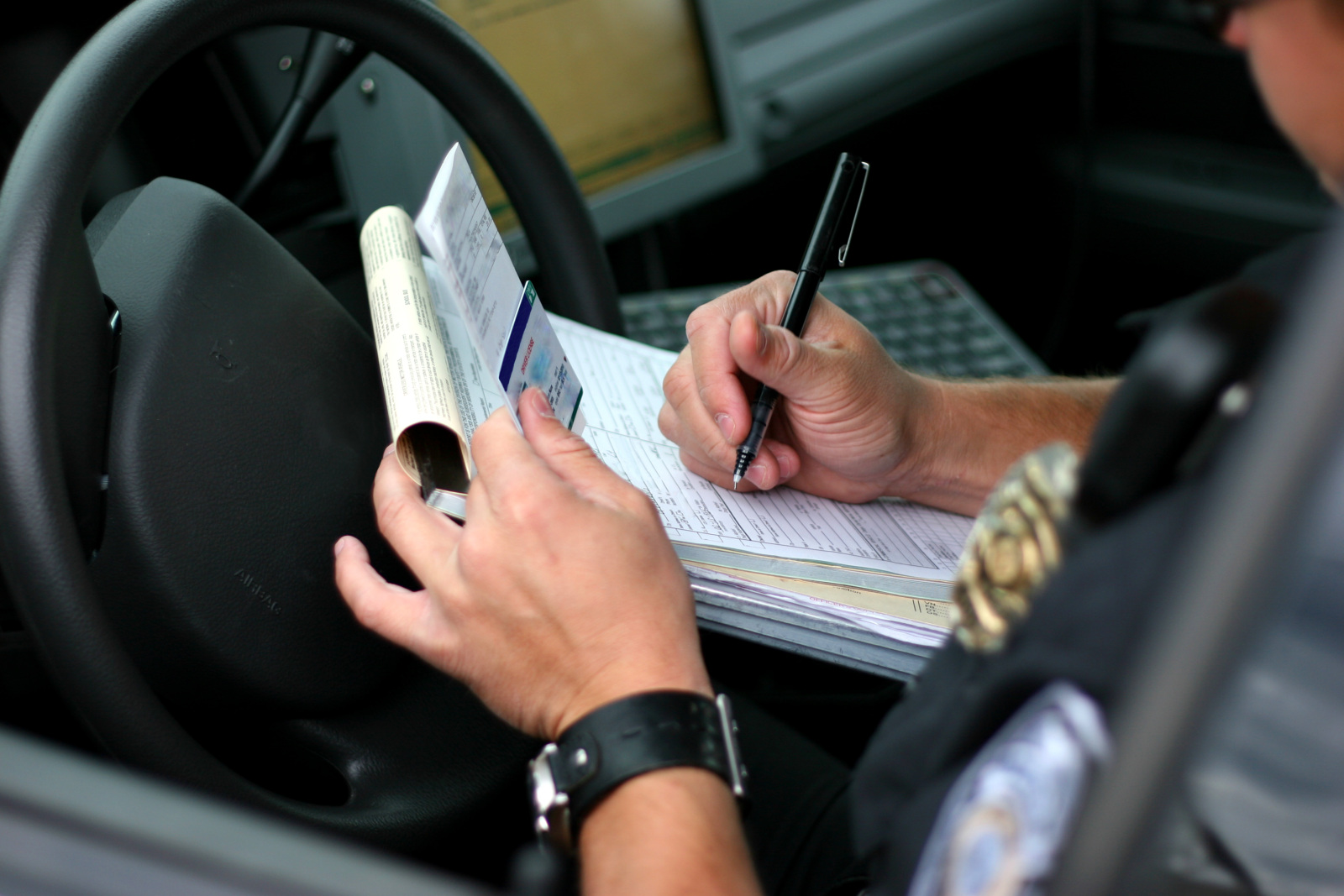
- Police officers: Officers may examine the scene, speak with drivers and witnesses, prepare a crash report, and issue traffic citations. Their findings can provide useful evidence, but they don’t make the final civil-liability determination.
- Insurance companies: Each insurer may investigate the collision by reviewing statements, photographs, reports, vehicle damage, and other evidence. An insurer may assign percentages of fault, but its conclusion can be challenged.
- Attorneys and the parties: The people involved and their attorneys may collect additional evidence, dispute unsupported allegations, and negotiate how liability should be allocated.
- Judges and juries: If the parties cannot resolve a liability dispute and the case proceeds through a lawsuit, a judge or jury may determine who was at fault and assign each party a percentage of responsibility.
A police report, traffic citation, or insurer’s initial decision may influence a car accident claim, but none automatically settles the issue. New evidence or a more complete investigation by a lawyer may change how liability is evaluated.
What If the Other Driver Denies Fault?
If the other driver denies fault, their statement doesn’t decide who is legally responsible for the accident. Disputed liability is common and may arise from conflicting accounts, missing evidence, multiple vehicles, or an attempt by a driver or insurance company to shift blame.
When fault is disputed:
- Preserve photographs, videos, witness information, vehicle records, and other available evidence.
- Provide accurate facts, but avoid guessing about speeds, distances, or events you didn’t clearly observe.
- Don’t assume the insurance company’s initial fault decision is final.
- Have the facts, evidence, and available insurance coverage reviewed before accepting a liability determination.
Physical evidence may reveal information that the drivers’ statements do not. Vehicle damage, points of impact, electronic data, surveillance footage, and witness accounts can help confirm or challenge a version of events.
Barrix Law Firm can independently investigate the collision, compare physical evidence with witness statements, examine the traffic laws that apply, and challenge unsupported allegations of fault. This investigation may uncover evidence that an insurance company overlooked or did not have when making its initial decision.
Does Being Uninsured Change Who Caused the Accident?
No. A driver’s insurance status doesn’t determine who caused a Michigan car accident. Fault is based on how the collision occurred and whether a driver or another party acted negligently. An uninsured driver may have caused the crash, shared responsibility for it, or had no fault at all.
However, it’s illegal to drive without insurance in Michigan, and doing so can affect a person’s rights after an accident. An uninsured vehicle owner may face penalties and may be unable to recover certain no-fault benefits or damages, even when another driver caused the collision.
When an at-fault driver is uninsured, the injured person’s recovery may depend on the facts of the case, the at-fault driver’s available assets, and whether the injured person has applicable uninsured motorist coverage. The absence of insurance can change how compensation is pursued, but it doesn’t change the evidence used to determine fault.
Someone hit by an uninsured motorist should have the accident, available insurance policies, and possible sources of recovery reviewed before assuming that compensation is unavailable.
Why Determining Liability Matters
Determining liability can affect nearly every part of a Michigan car accident claim. It helps establish:
- Whether the injured person may bring a claim against another driver or responsible party
- Which people, businesses, and insurance policies may apply
- Whether comparative fault could reduce the compensation available
- Which categories of losses may be recoverable
- The overall strength and potential value of the claim
A clear liability investigation can also prevent a responsible party from being overlooked. For example, the evidence may show that a vehicle owner, employer, or business shares responsibility with the driver who caused the collision.
Liability is only one of the factors affecting the value of a Michigan personal injury claim. The nature of the injuries, financial losses, available insurance coverage, and supporting evidence may also influence the outcome.
How Can Barrix Law Firm Help Establish Car Accident Liability?
Establishing car accident liability may require more than reviewing a police report or accepting an insurance company’s version of events. Barrix Law Firm can conduct an independent investigation to determine how the collision occurred, who contributed to it, and which parties or insurance policies may be involved.
Depending on the circumstances, our firm can:
- Identify disputed facts: Listen to the client’s account, compare the drivers’ statements, and determine which parts of the accident require further investigation.
- Collect available evidence: Obtain police reports, photographs, recordings, video footage, witness statements, vehicle records, and other relevant information.
- Examine physical and electronic evidence: Review vehicle damage, points of impact, electronic vehicle data, and other evidence that may confirm or challenge an account of the collision.
- Identify potentially liable parties: Investigate whether responsibility may extend beyond the driver to a vehicle owner, employer, rideshare company, business, or another party.
- Apply Michigan liability laws: Evaluate the claim under applicable traffic, owner-liability, no-fault, and comparative-fault rules.
- Challenge attempts to shift blame: Respond when an insurer minimizes its driver’s responsibility, overlooks evidence, or assigns an unsupported percentage of fault to the injured person.
- Consult appropriate professionals: Work with accident reconstruction professionals or others when technical analysis is needed to explain how a complex crash occurred.
- Present a supported claim: Organize the evidence connecting the responsible party’s conduct to the accident, injuries, and losses for which compensation is sought.
Barrix Law Firm has served West Michigan since 1993 and has experience handling accident claims in which liability is contested. A West Michigan auto accident lawyer can examine the evidence and help an injured person pursue compensation from the parties who may be legally responsible.
Michigan Car Accident Liability FAQs
Can both drivers be at fault for a car accident in Michigan?
Yes. Michigan’s comparative fault rules allow responsibility to be divided between both drivers or among several parties. An injured person’s compensation may be reduced according to their assigned percentage of fault.
Is the driver who receives a ticket always liable?
No. A traffic citation may support a liability claim, but it doesn’t independently decide who is legally responsible. Other evidence may show that the cited driver wasn’t entirely at fault or that another person also contributed to the accident.
Is the rear driver always at fault in a Michigan rear-end accident?
Not always. Michigan law generally treats a qualifying rear-end collision as initial evidence of negligence by the rear driver. However, the rear driver may present evidence showing that another person’s conduct or an unusual circumstance caused or contributed to the crash.
Can a vehicle owner be liable when someone else was driving?
Yes, in some circumstances. A Michigan vehicle owner may be liable for injuries caused by negligent operation when the driver used the vehicle with the owner’s express or implied consent or knowledge. Whether the owner is liable depends on permission, the relationship between the owner and driver, and other facts.
Can an insurance company change its fault decision?
Yes. An insurance company may reevaluate its fault decision when it receives new witness statements, photographs, video, electronic data, or other evidence. The insurer’s position isn’t necessarily the final legal determination of liability and may be challenged.
Discuss Liability With a West Michigan Car Accident Lawyer
Fault may be unclear or disputed after a car accident, especially when the drivers give conflicting accounts or multiple parties may be responsible. An early legal review can help preserve available evidence, challenge unsupported fault allegations, and identify the people, businesses, and insurance policies that may apply.
Barrix Law Firm represents injured people in Grand Rapids, Grand Haven, Muskegon, Holland, and throughout West Michigan. If someone else may be responsible for your accident, the firm can evaluate the circumstances and explain your options for pursuing compensation.
Request a free consultation to discuss the accident and learn how Michigan’s liability laws may apply to your case.