






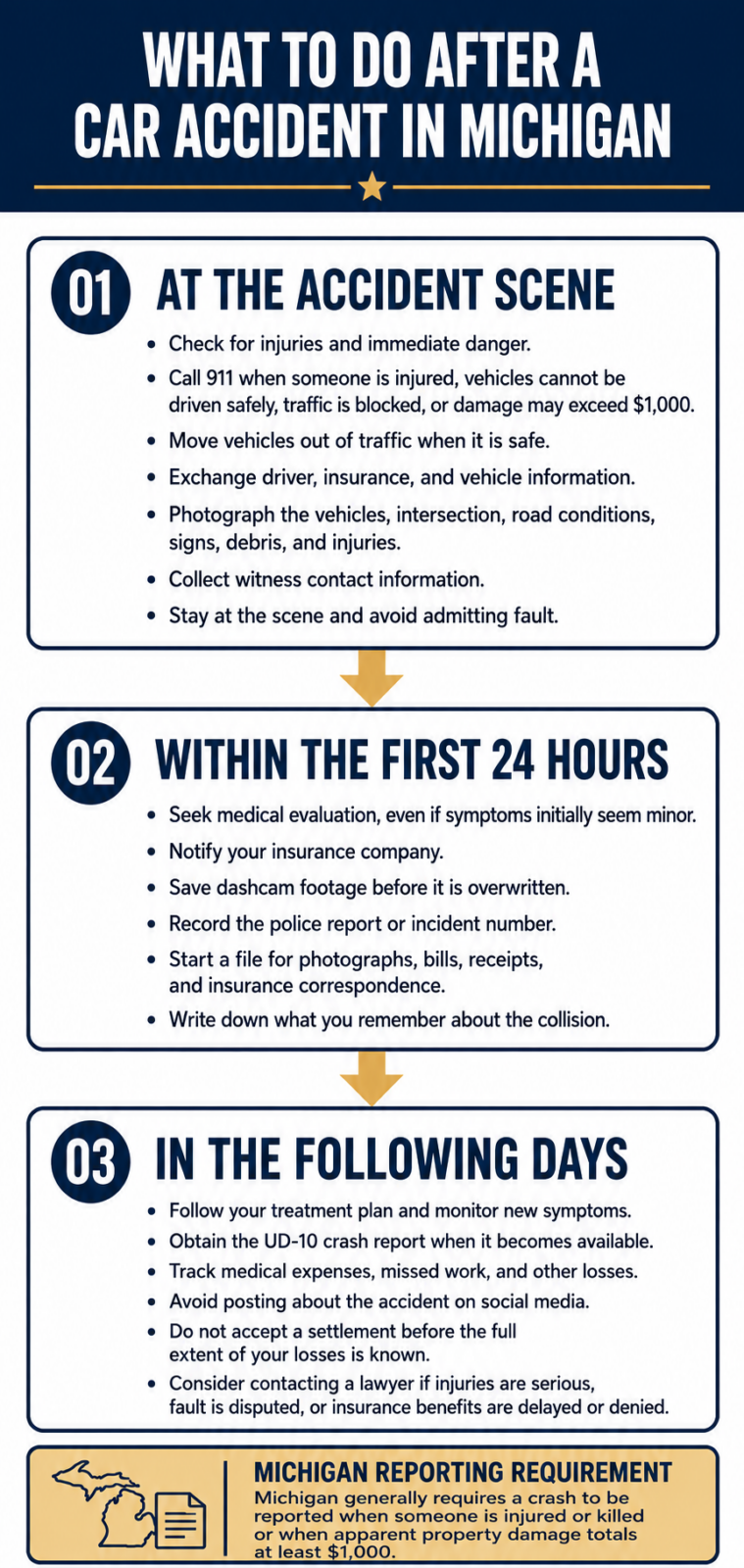
What Should You Do Immediately After a Car Accident?
The first few minutes after a car accident can affect everyone’s safety and any insurance claim that follows. Focus on preventing further harm before documenting the crash or exchanging information.
1. Stay Calm and Check Everyone for Injuries
Take a moment to assess yourself and your passengers for pain, bleeding, dizziness, or other signs of injury. If it is safe to do so, check whether anyone in the other vehicle needs help. Don’t attempt to move a seriously injured person unless they face an immediate danger, such as a fire.
2. Call 911 If Anyone Is Injured or the Crash Is Serious
Call 911 if anyone may be injured, a vehicle can’t be driven anymore, the crash is blocking traffic, or there is another immediate hazard. Tell the dispatcher where the accident occurred, how many vehicles were involved, and whether anyone needs medical attention. Follow the dispatcher’s instructions until help arrives.
3. Move Vehicles to Safety If Possible
If the vehicles can be driven and remaining in the roadway would be dangerous, move them to a nearby shoulder, parking lot, or other safe location. Before moving them, take a few quick photos of their positions if you can do so without putting yourself at risk. Leave the vehicles where they are if moving them would be unsafe or if someone is seriously injured.
4. Turn on Your Hazard Lights
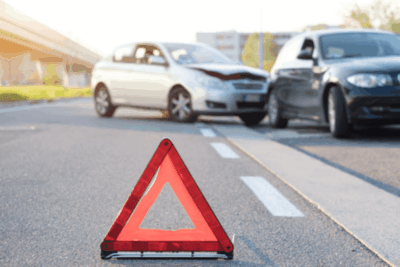
Turn on your hazard lights immediately to warn approaching drivers. If you have emergency flares or reflective warning triangles, use them only when you can place them safely. Stay away from moving traffic and wait behind a guardrail or in another protected area when possible.
5. Stay at the Scene Until Police Arrive
Don’t leave the scene after a crash. Remain nearby, cooperate with responding officers, and provide your driver’s license, registration, and insurance information when requested. Describe what happened honestly, but avoid guessing, admitting fault, or making assumptions about what caused the accident.
What Information Should You Exchange With the Other Driver?
After everyone is safe, exchange the information needed to identify the people and vehicles involved in the crash. You can photograph the other driver’s documents to reduce the risk of copying something incorrectly, but confirm that each image is clear before leaving.
Driver Information
Collect the following information from every driver involved:
- Full name
- Current address
- Phone number
- Driver’s license number
- Email address, if available
Provide the same information in return. If the name on the vehicle registration differs from the driver’s name, ask for the registered owner’s contact information as well.
Insurance Information
Photograph or write down the other driver’s:
- Insurance company
- Policy number
- Policyholder’s name
- Insurance agent’s name and contact information, if listed
- Policy expiration date
Don’t rely only on the other driver’s statement that they have insurance. Ask to see their current insurance card or digital proof of coverage.
Vehicle Information
Record identifying details for each vehicle, including:
- Make, model, and approximate year
- Color
- License plate number and state
- Vehicle identification number, if accessible
- Name shown on the registration
You should also note whether the driver was using a personal, commercial, rental, or rideshare vehicle. This may affect which insurance policies apply.
Witness Contact Information
If anyone saw the crash, ask for their name, phone number, and email address. You may also ask whether they are willing to provide a brief statement to the police. Independent witnesses can help clarify how the collision happened if the drivers later provide conflicting accounts.
What You Should Never Say at the Scene
Avoid apologizing, admitting fault, or speculating about what caused the accident. Even a casual statement such as “I didn’t see you” could later be presented as an admission.
You should also avoid saying that you are “fine” or indicating in any way that you’re not injured. Adrenaline can mask pain, and some car accident injuries develop gradually. Keep the conversation focused on safety and exchanging the required information, then give the police a factual account of what you observed.
What Evidence Should You Collect After a Car Accident?
If you can do so safely, document the crash before vehicles are moved and evidence disappears. Photos, videos, witness statements, and records can help establish what happened and support your insurance claim.
Take Photos of Vehicle Damage
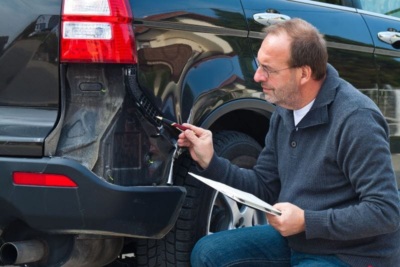
Photograph every vehicle involved, not just your own. Take wide shots showing the full vehicle and close-ups of dents, broken glass, deployed airbags, damaged lights, and other visible damage. Capture each vehicle’s license plate and any damage that appears unrelated to the current accident.
Photograph the Entire Accident Scene
Step back and photograph the scene from several safe angles. Try to capture:
- The vehicles’ positions relative to each other
- Skid marks, tire tracks, and debris
- Traffic lights, stop signs, and lane markings
- Nearby intersections, buildings, and street signs
- Guardrails, construction zones, or visual obstructions
- Visible injuries and damaged personal belongings
These details can help show where the collision occurred and how the vehicles were traveling.
Record Weather and Road Conditions
Note whether it was raining, snowing, foggy, dark, or unusually bright at the time of the crash. Photograph standing water, ice, snow, potholes, uneven pavement, or anything else that may have affected traction or visibility. Because conditions can change quickly, document them as soon as possible.
Save Dashcam or Phone Video
Preserve any video recorded by your dashcam, phone, or another device. Download the original file before it’s automatically overwritten, and save a backup somewhere secure. If nearby homes or businesses have security cameras, note their locations so the footage can be requested before it’s deleted.
Keep Copies of Every Document
Create one physical or digital file for all accident-related documents, including:
- The police report or incident number
- Insurance correspondence
- Medical records and bills
- Prescription and medical equipment receipts
- Vehicle repair estimates
- Towing and rental car receipts
- Proof of missed work and lost income
- Photos, videos, and witness information
Don’t alter, discard, or post evidence online. Keeping the original files and documents can make it easier to verify when and how the evidence was created.
Should You Call the Police After a Car Accident in Michigan?
Yes, you should call the police after a Michigan car accident if anyone is injured or killed, the vehicles cannot be driven safely, or the apparent property damage totals at least $1,000. Even after a seemingly minor crash, reporting the accident creates an official record that may help with an insurance claim.
When Michigan Law Requires a Police Report
Under Michigan law, a driver must immediately report an accident that:
- Injures or kills anyone
- Causes at least $1,000 in apparent property damage
Modern vehicle repairs can easily exceed $1,000, even when the damage initially appears minor. If you are uncertain about the extent of the damage or whether someone is injured, reporting the crash is generally the safer choice.
Michigan allows online reporting only when no one is injured and the vehicles can be safely moved out of the roadway. The crash must be reported to the law enforcement agency responsible for the location where it occurred, even if the drivers live elsewhere.
How to Get a Copy of Your Accident Report
An involved party can obtain a standard UD-10 crash report in either of the following ways:
- Purchase it online through the Michigan State Police Traffic Crash Purchasing System
- Request a paper copy in person from the local police department’s records unit with a valid government-issued photo ID
If you submitted the crash through an online reporting system, you will receive an email after the report is approved. That email will contain a link you can use to purchase an electronic copy. Processing times vary, so the report may not be available immediately.
Why the Police Report Matters
A police report provides an independent record of the accident. Depending on the circumstances, it may document:
- The date, time, and location of the crash
- The drivers, passengers, and vehicles involved
- Insurance information
- Statements from drivers and witnesses
- Visible vehicle damage and injuries
- Road and weather conditions
- Traffic violations or citations
- The officer’s observations and crash diagram
The report doesn’t automatically decide who’s legally responsible, but it can preserve important details, help insurers investigate the collision, and identify evidence or witnesses that may support your claim.
When Should You Seek Medical Treatment?
Seek medical treatment as soon as possible after a car accident, especially if you hit your head, lost consciousness, feel pain, or notice any change in how you think, move, or feel. Call 911 for severe bleeding, breathing problems, chest pain, paralysis, seizures, confusion, repeated vomiting, or other potentially life-threatening symptoms.
Get Evaluated Even If You Feel Fine
A medical evaluation may be appropriate even when you don’t notice immediate pain. Adrenaline and shock can temporarily mask symptoms, while some head, neck, and soft-tissue injuries become more noticeable hours or days later.
Tell the medical provider that you were involved in a car accident and describe how the impact occurred. Mention whether you struck your head, lost consciousness, felt disoriented, or experienced any symptoms after the crash. Don’t minimize your pain or exaggerate what you are experiencing.
Common Delayed Car Accident Injuries
Symptoms that may appear or worsen after a collision can be associated with:
- Whiplash and other neck injuries
- Concussions and traumatic brain injuries
- Back and spinal injuries
- Muscle, tendon, and ligament damage
- Shoulder and knee injuries
- Internal injuries
- Emotional trauma, anxiety, or sleep problems
Monitor yourself for headaches, dizziness, nausea, confusion, numbness, weakness, increasing pain, or changes in vision or balance. A worsening headache, repeated vomiting, seizures, slurred speech, unusual behavior, unequal pupils, or difficulty waking after a head injury requires immediate emergency care.
Follow Your Doctor’s Treatment Plan
Attend follow-up appointments, take medication as directed, and complete any recommended physical therapy, diagnostic testing, or specialist care. Tell your provider if your symptoms change or the treatment isn’t helping.
Gaps in care may make recovery more difficult. They can also give an insurance company an opportunity to argue that your injuries weren’t serious or were caused by something other than the crash. If work or daily activities worsen your symptoms, ask your doctor for written restrictions.
Save Every Medical Record and Bill
Keep copies of all documents connected to your treatment, including:
- Emergency room and hospital records
- Doctor and specialist notes
- Test results and medical images
- Physical therapy records
- Prescription receipts
- Medical equipment receipts
- Mileage and transportation expenses
- Insurance statements and unpaid bills
- Written work or activity restrictions
These records can document your diagnosis, treatment, expenses, and recovery. They may also help establish the benefits or compensation available through an insurance claim.
How Does Michigan’s No-Fault Insurance System Affect Your Claim?
Michigan’s no-fault system generally allows an injured person to seek certain benefits without first proving who caused the accident. However, “no-fault” doesn’t mean fault is irrelevant. Responsibility for the crash can still affect claims for pain and suffering, excess financial losses, and some vehicle damage.
What Personal Injury Protection (PIP) Covers
Personal Injury Protection may pay benefits for injuries caused by a motor vehicle accident regardless of who was at fault. Depending on the policy and coverage selected, PIP benefits may include:
- Reasonable and necessary medical and rehabilitation expenses
- A portion of lost income for up to 3 years
- Replacement services for tasks the injured person cannot perform
- Attendant care when medically necessary
- Certain survivor and funeral benefits after a fatal accident
Michigan drivers can select different levels of PIP medical coverage, and some people may qualify to exclude or opt out of that coverage. The amount available for medical care, therefore, depends on the applicable policy and the choices made when it was purchased.
What Property Protection Insurance (PPI) Covers
Property Protection Insurance pays up to $1 million for damage your vehicle causes in Michigan to certain types of property, including:
- Buildings
- Fences
- Signs and other structures
- Another person’s properly parked vehicle
PPI generally does not pay to repair moving vehicles involved in the collision. Damage to your own vehicle is usually handled through optional collision coverage, if you purchased it.
What No-Fault Insurance Does Not Cover
Michigan’s basic no-fault benefits don’t automatically compensate an injured person for every loss resulting from a crash. Depending on the circumstances and available coverage, they may not fully cover:
- Pain and suffering
- Medical expenses above the selected PIP limit
- Lost income beyond the amount or period allowed for PIP benefits
- Damage to your own vehicle
- Damage to another vehicle that was moving
- Other losses caused by a serious or fatal injury
Optional collision, uninsured motorist, or underinsured motorist coverage may apply to some losses. The terms and limits of the policy determine what protection is available.
When You Can File a Claim Against the At-Fault Driver
You may be able to pursue the at-fault driver for pain and suffering if the accident caused:
- Death
- Permanent serious disfigurement
- A serious impairment of body function
Michigan law defines a serious impairment as an objectively manifested impairment of an important body function that affects the injured person’s general ability to lead their normal life. The impairment doesn’t have to be permanent, but whether an injury meets this threshold depends on its effect on that particular person.
A claim against the at-fault driver may also seek certain financial losses that PIP does not cover, such as excess medical expenses or lost income. In some cases, Michigan’s mini-tort law may allow recovery of up to $3,000 in uninsured vehicle damage from a driver who was at least 50% at fault. Fault, available insurance, and the nature of the losses all affect which claims may be pursued.
Should You Report the Accident to Your Insurance Company?
Yes. Report the accident to your insurance company even if you didn’t cause it or the damage appears minor. Prompt notice allows the insurer to investigate the crash, explain your coverage, and begin processing any available PIP, collision, or other benefits.
How Soon Should You Report the Accident?
Notify your insurer as soon as reasonably possible after addressing immediate medical and safety concerns. Many policies require prompt notice and may set their own reporting deadlines.
Waiting can make it harder to document the damage, connect injuries to the collision, or locate witnesses. It may also give the insurer a reason to question why the accident wasn’t reported sooner. Reporting the crash doesn’t require you to know the full extent of your injuries or losses.
What Information Should You Provide?
When opening the claim, provide basic facts such as:
- Your name, policy number, and contact information
- The date, time, and location of the crash
- The names and insurance information of the other drivers
- The vehicles involved
- The police report or incident number
- Photos and videos from the scene
- The names and contact information of witnesses
- A general description of the vehicle damage
- Whether you sought or plan to seek medical care
Answer factual questions honestly, but do not guess about speed, distance, fault, or the extent of your injuries. If you don’t know an answer, say so.
Should You Speak With the Other Driver’s Insurance Company?
You may need to communicate with the other driver’s insurer about vehicle damage or another claim, but be cautious. Its adjuster represents the insurance company and its policyholder, not you.
You can provide basic identifying information and ask that requests be made in writing. Avoid speculating about fault, minimizing your injuries, signing a broad medical authorization, or accepting a settlement before you know the full effect of the accident. It is recommended to speak with a lawyer before discussing a serious injury claim.
Should You Give a Recorded Statement?
Whether you should give a recorded statement depends on who is requesting it. Your own policy may require you to cooperate with your insurer’s investigation. Before recording, ask:
- Is the statement required under my policy?
- How will the recording be used?
- Can I review the questions in advance?
- May I have a copy of the recording or transcript?
- Can I speak with a lawyer first?
You generally have no contractual duty to give the other driver’s insurer a recorded statement. Its questions may be used to challenge fault, the cause of your injuries, or the value of your claim. Don’t consent to a recording until you know your rights and the possible effect on your case.
What Should You NOT Do After a Car Accident?
Avoid choices that could endanger others, violate Michigan law, or weaken your insurance claim. In particular, don’t leave the scene, admit fault, ignore possible injuries, or make quick decisions before you know the full effect of the crash.
Don’t Admit Fault
Don’t apologize, accept blame, or speculate about what caused the collision. You may not yet know whether the other driver was speeding, distracted, impaired, or violating another traffic law. Vehicle problems or dangerous road conditions may also have contributed.
Cooperate with the police and insurers, but stick to facts you directly observed. Let the available evidence determine fault.
Don’t Leave the Scene
Michigan drivers must stop after an accident and exchange the required information. Leaving without doing so could result in criminal charges, particularly when someone was injured or killed.
Move to a safer nearby location if remaining in the roadway would create a hazard and the vehicle can be moved safely. If you must leave because you reasonably believe staying would cause further harm, immediately report the accident to law enforcement.
Don’t Delay Medical Treatment
Don’t ignore pain, dizziness, confusion, numbness, or other symptoms after the crash. Some injuries may not be obvious immediately, and waiting could allow the condition to worsen.
Delayed care can also make it harder to show that an injury resulted from the accident. Seek appropriate treatment, describe your symptoms accurately, and follow the provider’s instructions.
Don’t Accept the First Settlement Offer
An early settlement may be offered before you know the full cost of your medical care, lost income, or future needs. Once you sign a release, you may lose the right to seek more compensation for covered claims, even if your condition later worsens.
Review what the settlement includes, which claims it resolves, and whether it accounts for future losses. Consider having a lawyer review the offer before accepting it.
Don’t Post About the Crash on Social Media
Avoid posting photos, videos, comments, location updates, or information about your recovery. Insurance companies may use even an innocent post to dispute your account of the collision or argue that your injuries don’t affect you as claimed.
Changing privacy settings doesn’t guarantee that a post will remain private. Ask friends and family not to tag you in posts about the accident or your activities while the claim is pending.
Don’t Throw Away Evidence
Preserve anything that could document the accident, your injuries, or your financial losses, including:
- Photos and original video files
- Damaged personal belongings
- Medical records and bills
- Prescription and travel receipts
- Repair estimates and invoices
- Insurance letters and emails
- Pay records and work restrictions
- Notes about symptoms and missed activities
Keep original records when possible and save digital backups. Don’t repair or dispose of important physical evidence until it has been photographed and the appropriate parties have had an opportunity to inspect it.
When Should You Contact a Car Accident Lawyer?
Consider contacting a Michigan car accident lawyer when the crash involves serious injuries, disputed fault, insurance problems, or losses that may extend beyond Michigan no-fault benefits. You do not need to wait for the insurer to deny your claim. Getting legal advice early can help preserve evidence and prevent avoidable mistakes.
Serious Injuries
A lawyer may be helpful if your injuries require surgery, hospitalization, rehabilitation, ongoing treatment, or significant time away from work. Serious injuries can create claims involving future medical care, reduced earning ability, and pain and suffering in addition to PIP benefits.
Michigan also limits when an injured person can seek non-economic damages from an at-fault driver. A lawyer can assess whether the injury may meet the state’s serious impairment threshold and identify the compensation that may be available.
Disputed Fault
Contact a lawyer if the other driver or insurer blames you for the crash. Michigan’s comparative fault rules can reduce the compensation available in a claim against the at-fault driver. In some circumstances, the injured person may be unable to recover non-economic damages if they were more than 50% at fault.
An attorney can investigate the collision using photos, witness statements, police records, vehicle data, video footage, and other evidence.
Insurance Company Denies or Delays Your Claim
Legal help may be appropriate if an insurer:
- Denies coverage or refuses to pay a claim
- Delays medical or wage-loss benefits
- Disputes whether treatment is related to the accident
- Requests repeated or unnecessary documentation
- Pressures you to accept an early settlement
- Offers less than the documented losses
- Stops paying benefits before treatment ends
A lawyer can review the policy and denial, provide supporting evidence, and challenge an improper decision.
The Other Driver Was Uninsured or Underinsured
If the at-fault driver has no insurance or not enough coverage, your own uninsured or underinsured motorist policy may provide compensation. These are first-party claims, but your insurer may still dispute fault, injuries, or the value of your losses.
A lawyer can review all potentially available coverage, including policies issued to other members of your household. Strict notice and consent requirements may apply, so don’t assume coverage is unavailable without having the policies reviewed.
Wrongful Death or Catastrophic Injury Cases
Crashes involving death, paralysis, amputation, severe burns, or a traumatic brain injury often create long-term medical and financial consequences. These cases may involve future care, lost earning capacity, home modifications, survivor benefits, and damages available through a wrongful death claim.
They may also involve several insurers or responsible parties. Prompt legal help can preserve evidence, document future needs, and allow the family to focus on treatment or grieving while the claim is investigated.
What Compensation Can You Recover After a Michigan Car Accident?
The compensation available after a Michigan car accident depends on your injuries, financial losses, insurance coverage, and responsibility for the crash. Benefits may come from your no-fault insurer, optional coverage under your policy, or a claim against the at-fault driver.
Medical Expenses
PIP medical benefits may cover reasonable and necessary care related to the accident, such as:
- Emergency treatment and hospitalization
- Doctor and specialist visits
- Surgery and diagnostic testing
- Physical and occupational therapy
- Prescription medication
- Medical equipment
- Attendant care
- Transportation to medical appointments
- Home or vehicle modifications
The amount available depends on the PIP medical coverage selected under the applicable policy. If your expenses exceed that coverage, you may be able to seek the remaining amount from an at-fault driver.
Lost Income
PIP may replace a portion of the income you can’t earn because of accident-related injuries. Michigan generally limits these wage-loss benefits to 3 years after the crash and applies a monthly maximum that changes annually.
A claim against an at-fault driver may include income losses that exceed the PIP limit or continue beyond the 3-year period. In serious cases, compensation may also be available for reduced future earning ability.
Pain and Suffering
Pain and suffering damages compensate for the personal effects of an injury rather than a specific bill. They may account for:
- Physical pain
- Emotional distress
- Disability or disfigurement
- Loss of mobility or independence
- Reduced enjoyment of life
- Changes in family and social relationships
Michigan no-fault benefits don’t pay pain and suffering damages. To pursue them from an at-fault driver, the injured person generally must have suffered death, permanent serious disfigurement, or a serious impairment of body function.
Future Medical Care
A serious injury may require treatment long after the initial insurance claim. Future medical damages may include anticipated surgeries, rehabilitation, medication, attendant care, medical equipment, and home modifications.
Medical opinions, treatment plans, and cost estimates can help establish these future needs. Before accepting a settlement, consider whether it accounts for care that may be needed months or years later.
Property Damage
Payment for vehicle damage may come from several sources, depending on the circumstances:
- Collision coverage: May pay to repair or replace your vehicle according to the terms of your policy.
- Property Protection Insurance: Covers certain damage your vehicle causes to buildings, fences, and properly parked vehicles.
- Mini-tort claim: May allow you to recover up to $3,000 in uninsured vehicle damage from a driver who was at least 50% at fault.
- Optional coverage: Rental reimbursement or towing coverage may pay related expenses if included in the policy.
Keep photographs, repair estimates, receipts, and records showing the vehicle’s condition and value before the accident.
How Long Do You Have to File a Car Accident Claim in Michigan?
In many Michigan car accident cases, you have 3 years from the date of the crash to file a personal injury lawsuit against an at-fault driver. Claims for no-fault benefits follow different rules, including a 1-year notice deadline. Because several deadlines may apply to the same accident, do not assume you have 3 years to take every action.
Personal Injury Deadlines
Michigan generally gives an injured person 3 years from the date of the accident to file a lawsuit seeking damages from an at-fault driver. This may include compensation for pain and suffering, excess medical expenses, and income losses not covered by PIP.
The same general 3-year period applies to actions seeking damages for a person’s death. However, wrongful death cases and claims involving government vehicles or agencies may involve additional rules. An attorney should review the specific deadline rather than relying solely on the general limit.
No-Fault Benefit Deadlines
Michigan’s no-fault deadlines are more complicated. To preserve a claim for PIP benefits, written notice of the injury generally must be provided to the appropriate insurer within 1 year of the accident unless the insurer has already paid benefits for that injury.
The notice must identify the claimant and the injured person and provide basic information about when, where, and how the injury occurred. Simply telling the police or another driver about the injury may not satisfy this requirement.
Michigan also has a “1-year-back” rule. Even when timely notice was provided, a person may be unable to recover benefits for losses incurred more than one year before filing a lawsuit. The deadline may be paused between the submission of a specific claim for payment and the insurer’s formal denial, provided the claimant pursues the claim with reasonable diligence.
A lawsuit seeking PPI benefits must generally be filed within 1 year of the accident.
Why Waiting Can Hurt Your Case
Waiting can create problems long before the filing deadline expires. Over time:
- Video footage may be erased
- Vehicles may be repaired or destroyed
- Physical evidence may disappear
- Witnesses may move or forget details
- Medical records may become harder to connect to the crash
- Insurance notice and documentation deadlines may pass
Reporting the accident, seeking treatment, and preserving evidence early can strengthen your claim. Starting the process promptly also gives you time to identify every applicable insurance policy and take action before a deadline prevents recovery.
Michigan Car Accident Resources
Police and Crash-Reporting Resources
Grand Rapids and Kent County
For crashes within the Grand Rapids city limits, contact the Grand Rapids Police Department. The Kent County Sheriff’s Office generally handles crashes in township areas under its jurisdiction.
- Grand Rapids Police Department: 616-456-3400 for non-emergencies
- GRPD Records Unit: 616-456-4177
- GRPD headquarters: 1 Monroe Center NW, Grand Rapids, MI 49503
- Kent County Sheriff’s Office: 616-632-6100
- Sheriff’s Office address: 701 Ball Avenue NE, Grand Rapids, MI 49503
- Online resources: File or retrieve a crash report through the appropriate department
The Grand Rapids online reporting system is limited to accidents involving no injuries when the vehicles can be moved safely.
Grand Haven and Ottawa County
For a crash within the Grand Haven city limits, contact the Grand Haven Department of Public Safety. Crashes elsewhere in Ottawa County may fall under the Ottawa County Sheriff’s Office or another municipal department.
- Emergency: 911
- Non-emergency dispatch: 800-249-0911 or 616-994-7850
- Grand Haven Department of Public Safety: 616-842-3460
- Department address: 525 Washington Avenue, Grand Haven, MI 49417
- Ottawa County Sheriff’s Office: 888-731-1001
- Online resources: Purchase a Grand Haven accident report or search Ottawa County accident reports
Grand Haven also provides a citizen-report form for qualifying crashes that occur on private property.
Muskegon and Muskegon County
The Muskegon Police Department handles crashes within the city. The Muskegon County Sheriff’s Office serves areas under county jurisdiction.
- Emergency: 911
- Muskegon Central Dispatch non-emergency line: 231-722-3524
- Online resources: Purchase a Muskegon County accident report or submit a public-records request for additional documents
The county’s online system allows involved parties to obtain the official UD-10 traffic crash report. Additional records may require a Freedom of Information Act request.
Holland and the Surrounding Area
For crashes within the Holland city limits, contact the Holland Department of Public Safety. Because Holland extends into both Ottawa and Allegan counties, a crash outside the city limits may be handled by the sheriff’s office responsible for that location.
- Emergency: 911
- Non-emergency dispatch: 800-249-0911
- Holland Department of Public Safety front desk: 616-355-1100
- Department address: 89 West 8th Street, Holland, MI 49423
- Online resources: Request police records or complete the private-property accident form when applicable
The Holland Department of Public Safety provides separate procedures for requesting police records and reporting qualifying private-property accidents.
Hospitals and Trauma Centers in West Michigan
For a life-threatening injury, call 911 and allow emergency personnel to select the appropriate facility. Nearby emergency departments and state-designated trauma centers include:
- Grand Rapids: Corewell Health Butterworth Hospital, Level I adult trauma center, 100 Michigan Street NE
- Grand Rapids: Corewell Health Helen DeVos Children’s Hospital, Level I pediatric trauma center, 100 Michigan Street NE
- Grand Rapids: Trinity Health Grand Rapids, Level II adult trauma center, 200 Jefferson Avenue SE
- Wyoming: University of Michigan Health-West, Level II adult trauma center, 5900 Byron Center Avenue SW
- Grand Rapids: Corewell Health Blodgett Hospital, Level III adult trauma center, 1840 Wealthy Street SE
- Grand Haven: Trinity Health Grand Haven Hospital Emergency Department, 1309 Sheldon Road
- Muskegon: Trinity Health Muskegon Hospital, Level II trauma center, 1500 East Sherman Boulevard
- Holland: Holland Hospital Emergency Department, 602 Michigan Avenue
A trauma-center designation reflects the hospital’s capacity to treat serious injuries. It does not mean every accident-related condition requires trauma care. Less severe symptoms may be treated at another emergency department, urgent care center, or primary care office.
Frequently Asked Questions
What is the first thing I should do after a car accident in Michigan?
Check yourself and your passengers for injuries, then move out of immediate danger if possible. Call 911 when anyone is hurt, the crash creates a hazard, or a vehicle cannot be driven safely. After addressing safety, exchange information and document the scene.
Do I have to call the police after a minor car accident?
Michigan law requires an accident to be reported when someone is injured or killed or the apparent property damage totals at least $1,000. Because even minor-looking vehicle damage can exceed $1,000, reporting the collision is often the safest choice.
Should I see a doctor even if I don’t feel hurt?
Consider getting evaluated because adrenaline can mask pain and some injuries don’t cause immediate symptoms. Seek prompt medical care if you develop pain, headaches, dizziness, numbness, confusion, nausea, or changes in movement or vision. Call 911 for severe or life-threatening symptoms.
What should I say to the insurance company after a car accident?
Provide basic facts, including when and where the crash happened, who was involved, and whether you sought medical care. Be honest, but don’t guess about fault, speed, distance, or the extent of your injuries. Ask the insurer to send important requests and decisions in writing.
What happens if the other driver doesn’t have insurance?
You may still qualify for PIP benefits for medical expenses and lost income through the applicable no-fault insurer. Your own uninsured motorist or collision coverage may provide additional protection if you purchased it. You may also have a claim against the uninsured driver, although collecting payment directly can be difficult.
Can I still recover compensation if I was partly at fault?
Yes, depending on the type of claim. PIP benefits generally don’t depend on who caused the crash. In a claim against another driver, your compensation may be reduced by your percentage of fault. If you were more than 50% responsible, you generally can’t recover non-economic damages such as pain and suffering.
How long do I have to report a car accident to my insurance company?
Report the accident as soon as reasonably possible because your policy may require prompt notice. To preserve a Michigan PIP claim, written notice of the injury generally must reach the appropriate insurer within 1 year unless it has already paid benefits for that injury. Other policy and filing deadlines may be much shorter than the general lawsuit deadline.
Can I leave the scene if no one appears to be injured?
Don’t leave until you’ve stopped, exchanged the required information, and fulfilled your reporting duties. If the vehicles can be moved safely, relocate them out of traffic and remain nearby. Leaving without exchanging information may result in criminal penalties even when no injury is immediately apparent.
What documents should I keep after a car accident?
Keep the police report, photos, videos, witness information, insurance correspondence, medical records, bills, repair estimates, and receipts for towing, medication, and transportation. You should also save pay records, written work restrictions, and notes showing how your symptoms affect daily life.
How much does it cost to hire a Michigan car accident lawyer?
Barrix Law Firm offers free consultations and handles car accident cases on a contingency-fee basis. There are no upfront attorney fees, and you pay attorney fees only if the firm recovers compensation for you. Under Michigan Court Rule 8.121, the maximum contingency fee for personal injury, wrongful death, and no-fault claims is generally ⅓ of the net recovery.
Contact a West Michigan Car Accident Lawyer Today
After a car accident, you may be unsure which insurance company should pay your benefits, whether you can pursue the at-fault driver, or how to respond when an insurer delays or undervalues your claim. Barrix Law Firm can explain your rights under Michigan’s no-fault system, handle communications with the insurance companies, and seek the compensation available for your injuries and losses.
Our firm can investigate the crash, preserve evidence, review your insurance coverage, and account for both your current and future needs. Whether your case involves unpaid PIP benefits, disputed fault, serious injuries, or an uninsured driver, we can help you determine your next steps.